Iran28 October, 20263 min read
Archive photo · 4 December 2023Trump Says JD Vance Letter To Tehran Seeks Medical Supplies, Iran Weighs 7-Day Plan
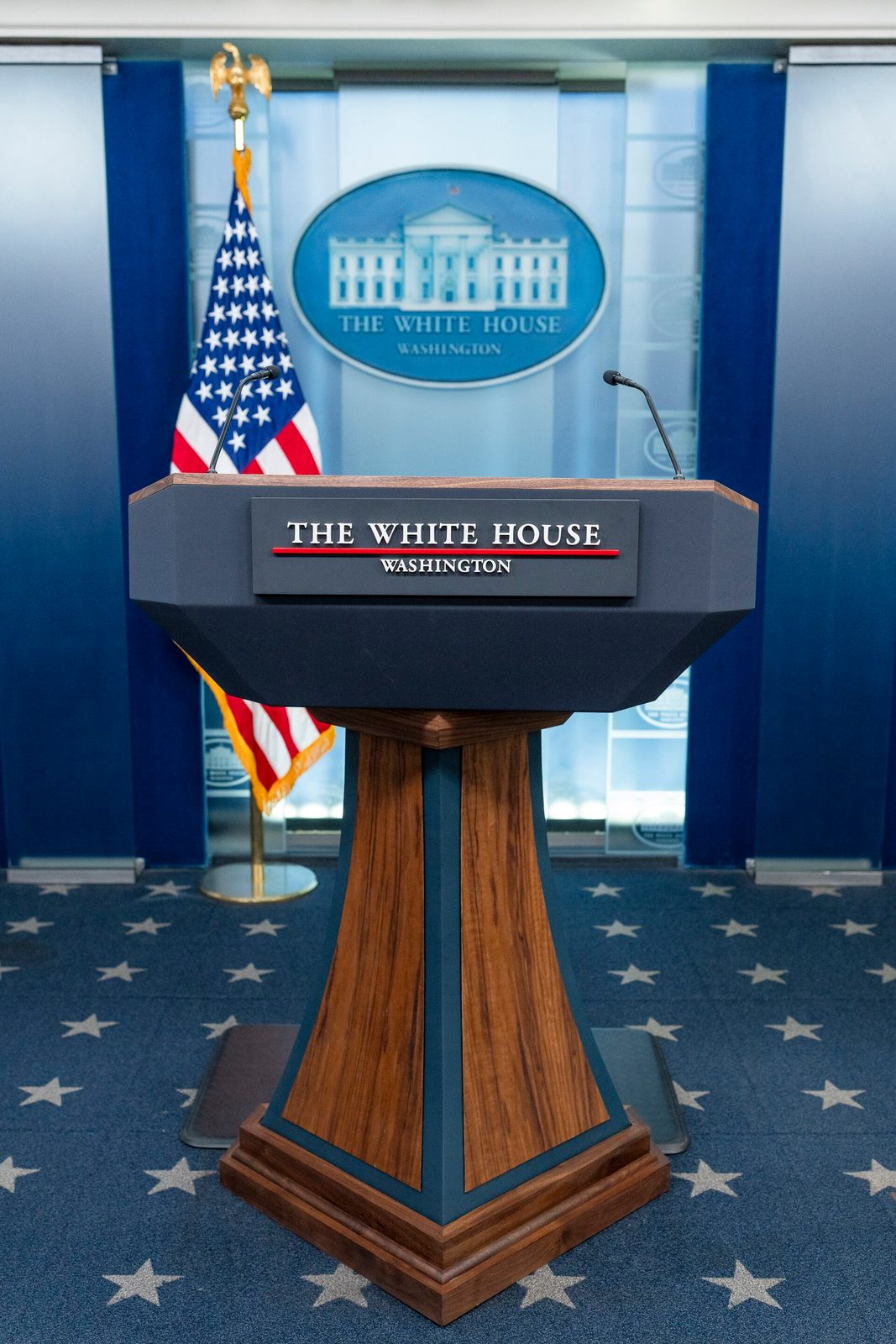
2 Western Mainstream1 West AsianPhoto: The White House / US federal government, Public domain · Cropped for layout
This article is an automated aggregation of coverage from news outlets. Our editorials offer in-depth analysis curated by the NewsCord team.
Trump said JD Vance's letter to Tehran sought medical supplies. He denied it aimed to revive peace talks with Iran.
Save coverage image
3 outlets in this story. Read their headlines below.
Outlets did split on IRGC Aerospace Force Unveils Dual Liquid-Fuel Missile Launcher During Underground Facility Visit →
The Guardian was read line by line by the Watchdog: 3.0. See the score →
Letter, talks, and Hormuz
US President Donald Trump said on October 28 that Vice President JD Vance’s letter to Tehran was meant to help Iran get “medical supplies and various things,” and Trump added that Vance “asked me what I thought.” Trump denied that the letter was sent to an Iranian security official to revive peace talks, while Iranian media reported on October 29 that Tehran had received the letter and was yet to respond. Iran’s Foreign Minister Abbas Araqchi said on October 28 that Tehran was discussing a seven-day plan to end the war with mediators and reopen the Strait of Hormuz, and Araqchi said, “We remain in close and ongoing contact with intermediaries to review ideas that can ensure implementation of our 7-Day Plan in even less than a week.”
Iran also warned of “devastating” economic consequences if Israel should attack the country following this week’s Israeli election, and the same account said Washington had resumed its maritime blockade of Iran’s ports while imposing more sanctions. Gulf states’ plans to avert a renewal of US-Iran war centered on reopening the strait of Hormuz within four days of sanctions being lifted and on the Houthis withdrawing substantial forces inside Yemen.
Inspectors and shifting timelines
The Guardian reported that the US was holding out for a concession that European powers suggest could involve Iran allowing UN weapons inspectors back into the country, and it said Ed Miliband urged the Iranians to agree to readmit the UN weapons inspectors when he met Abbas Araghchi in New York. Iran refused that approach, and the Guardian said Iran would only hold talks in principle on its nuclear programme while remaining focused on the guarantees of sanctions relief it would receive in return for reopening the strait of Hormuz. Dr Ali Bagheri, the deputy secretary of Iran’s national security council, said Iran was willing to reduce its proposal that the strait reopen seven days after economic sanctions are lifted to four days.
Radio Free Europe/Radio Liberty said Araqchi claimed Tehran was giving “diplomacy a chance to succeed,” and it quoted Araqchi saying, “While our Brave Armed Forces are fully prepared to defend the Homeland, Iran continues to give diplomacy a chance to succeed.” The Guardian also said Iran was starting to acknowledge it has a mediating role in the parallel conflict in Yemen, after Mohsen Rezaei met the Houthi’s ambassador to Iran, Ibrahim al-Dulaimi.
Regional order and Yemen pressure
Iran’s approach emphasized Ayatollah Seyyed Mojtaba Khamenei’s focus on managing the Strait of Hormuz and expanding bilateral relations with neighbors, and the emphasis goes beyond stating two priorities in Iran’s foreign policy. Mehr News Agency argued that the Strait of Hormuz provides Iran the possibility of directly influencing the strategic calculations of major powers, and it described the waterway as “located at the junction of regional security with the global economy.” A Saudi-led coalition said it intercepted and destroyed a ballistic missile launched by the terrorist Houthi militia toward the Eastern Province, and coalition spokesman Turki al-Malki posted on X.
The same account said Saudi authorities issued two alerts warning of potential danger in Najran, in southwestern Saudi Arabia, and in the Eastern Province before announcing minutes later that the danger had passed in both areas. Mehr News Agency linked Iran’s regional strategy to transforming confrontation into “sustainable security arrangements,” while Radio Free Europe/Radio Liberty said the US and Iran remained apart on negotiating terms as Washington imposed more sanctions and resumed its maritime blockade and Tehran continued to disrupt shipping through the Strait of Hormuz.