Iran18 August, 20263 min read
Trump Vows Tremendous Economic Consequences as Iran and U.S. Standoff Over Strait of Hormuz
This article is an automated aggregation of coverage from news outlets. Our editorials offer in-depth analysis curated by the NewsCord team.
Trump announces crushing economic operation against Iran, framing it as economic warfare. No talks ongoing between US and Iran amid Strait of Hormuz standoff.
New York Times was read line by line by the Watchdog: 0.0. See the score →
Standoff in limbo
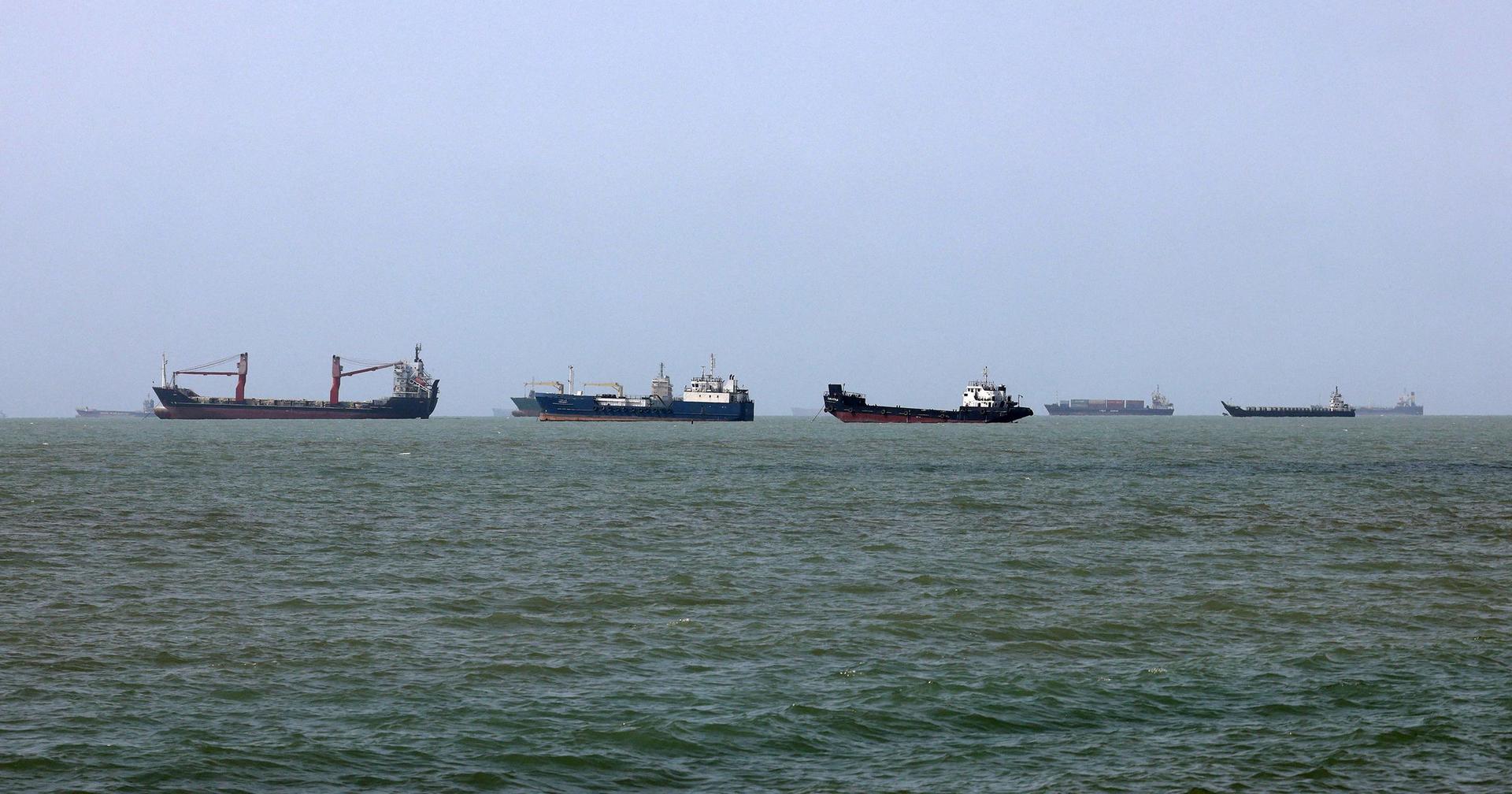
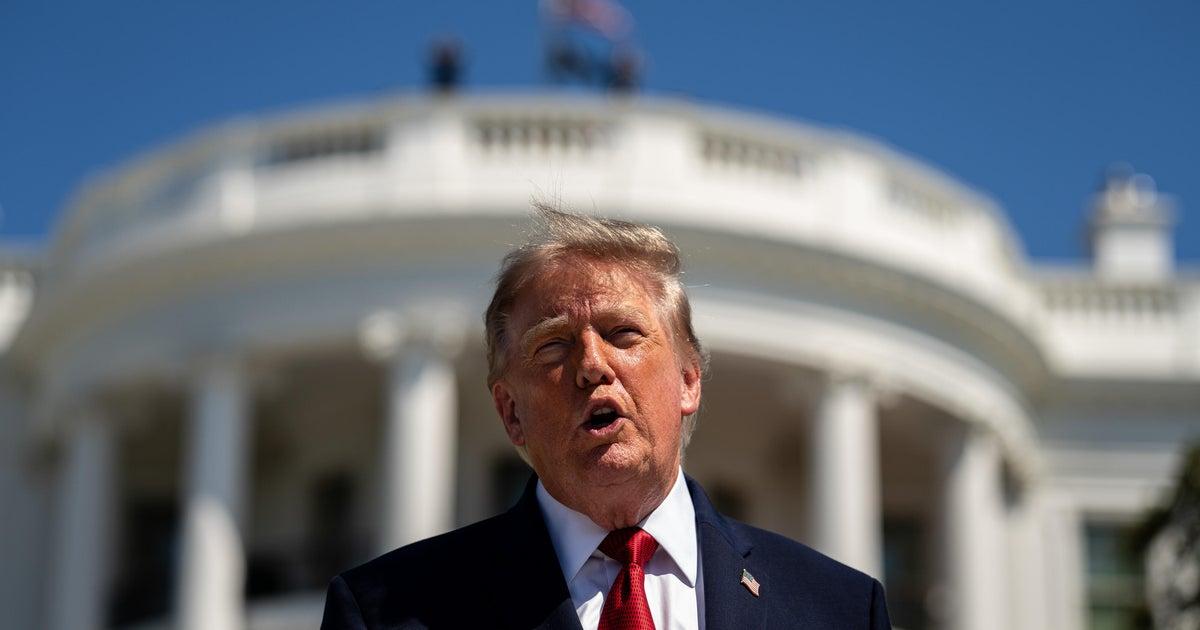
For weeks, Iran and the United States have had no diplomatic progress but also no full-scale fighting, leaving them in an “uneasy, in-between state” that risks either a return to fighting or a hardening stalemate. The New York Times said the cease-fire agreed to two months ago was supposed to put the countries on a path to a broader deal within 60 days covering Iran’s nuclear program and the lifting of U.S. sanctions, but that deadline passed this week. On Wednesday, President Trump vowed to impose “tremendous economic consequences” on countries that do business with Iran, while the Strait of Hormuz remains central to the standoff.
Nicole Grajewski, an assistant professor at the Center for International Studies at Sciences Po in Paris, said the situation is “in a state of constant limbo,” adding that “beyond a further entrenchment of the Iranian position” there has been little change. This month, Tehran issued a list of demands on Washington for reopening the Strait of Hormuz, which the New York Times described as a major transit point for much of the world’s oil.
Economic pressure and signals
As Trump insisted on Tuesday that there were “no talks or conversations going on, or scheduled, with the Islamic Republic of Iran,” the standoff continued to affect shipping and energy markets.
The Spokesman-Review reported that Trump posted, “There are no talks or conversations going on, or scheduled, with the Islamic Republic of Iran,” after the memorandum of understanding signed in June expired.

In Tehran, Iran’s Supreme Leader Ayatollah Mojtaba Khamenei outlined a reshuffling of top military commanders earlier this month that called for “strengthening maximum deterrence and preparing to conduct large-scale offensive operations against the enemy.”
CBS News also quoted Brig. Gen. Yadollah Javani telling Fars News agency that “Every action we take, although it has a defensive nature, must take on an offensive form.”
The New York Times framed the standoff as a contest of calculations, with Iranian officials believing they have more to gain from withstanding U.S. economic pressure and maintaining control over the Strait of Hormuz than from making major concessions.
Hormuz, oil, and regional fallout
Oil markets moved on Middle East supply worries tied to the prolonged standstill, with Brent crude for October delivery ticked up 26 cents to settle around $91.87 a barrel and September WTI futures rising 17 cents to $86 a barrel. StockInvest.us said the Strait of Hormuz is a chokepoint for roughly 20% of global oil trade, and shipping traffic data showed no change from the previous day, underscoring an uneasy stalemate. The New York Times reported that Tehran issued demands on Washington for reopening the Strait of Hormuz, while the United States appeared to be betting that putting Iran in a tighter economic stranglehold would succeed where military strikes have not.
In the Middle East Online account, analysts said Khamenei’s security reshuffle on August 9 and 10 points to preparations for a prolonged and more confrontational standoff, including the appointment of Mohsen Rezaei as Khamenei’s representative to the Supreme National Security Council on August 9. The Spokesman-Review added that Mohammad Bagher Ghalibaf told lawmakers on Tuesday that Hormuz won’t reopen before the U.S. lifts a port blockade, releases frozen assets, removes oil sanctions and ceases all its military operations.