Technology and Science13 April, 20261 min read
Uber And Nuro Test Lucid Gravity Robotaxis In San Francisco
This article is an automated aggregation of coverage from news outlets. Our editorials offer in-depth analysis curated by the NewsCord team.
Uber and Nuro test Lucid Gravity robotaxis in San Francisco. Lucid Gravity SUVs are equipped with Nuro's autonomous system.
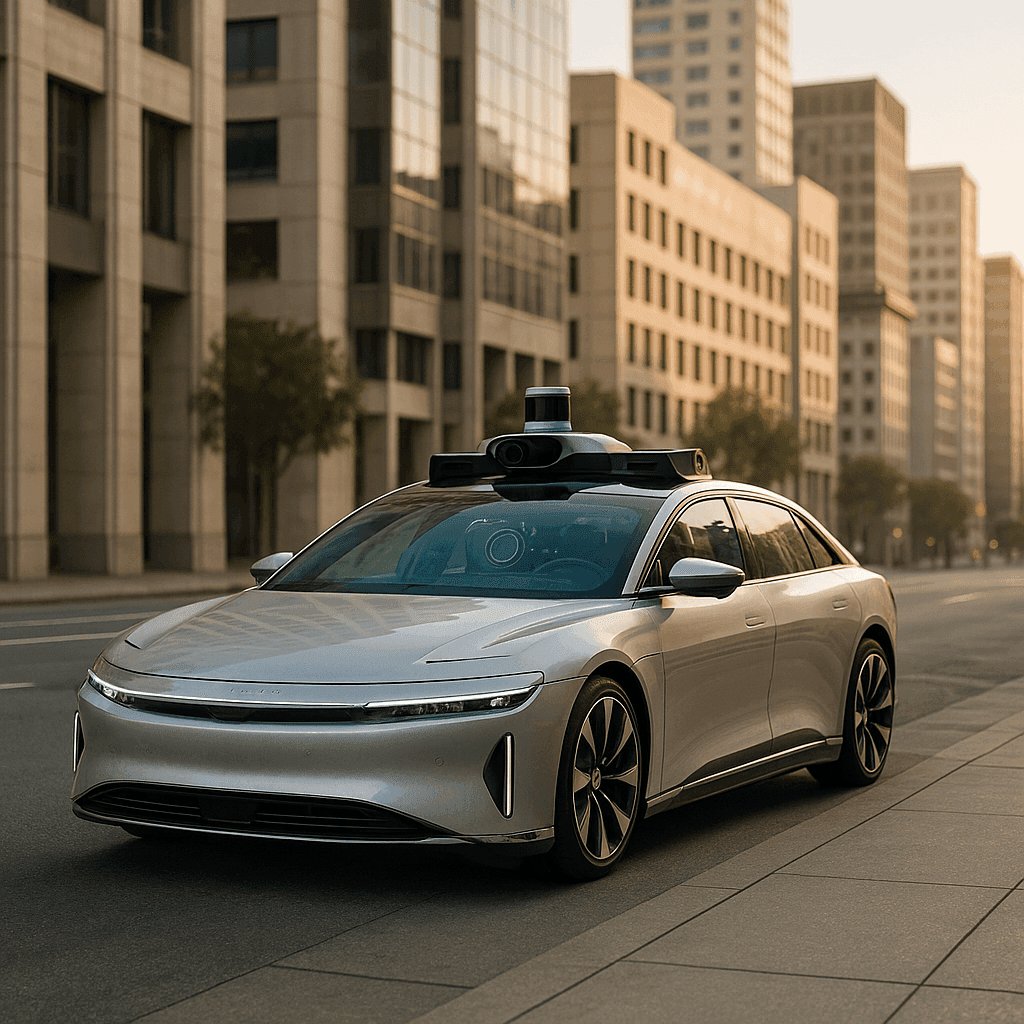
Uber-Nuro-Lucid Launch
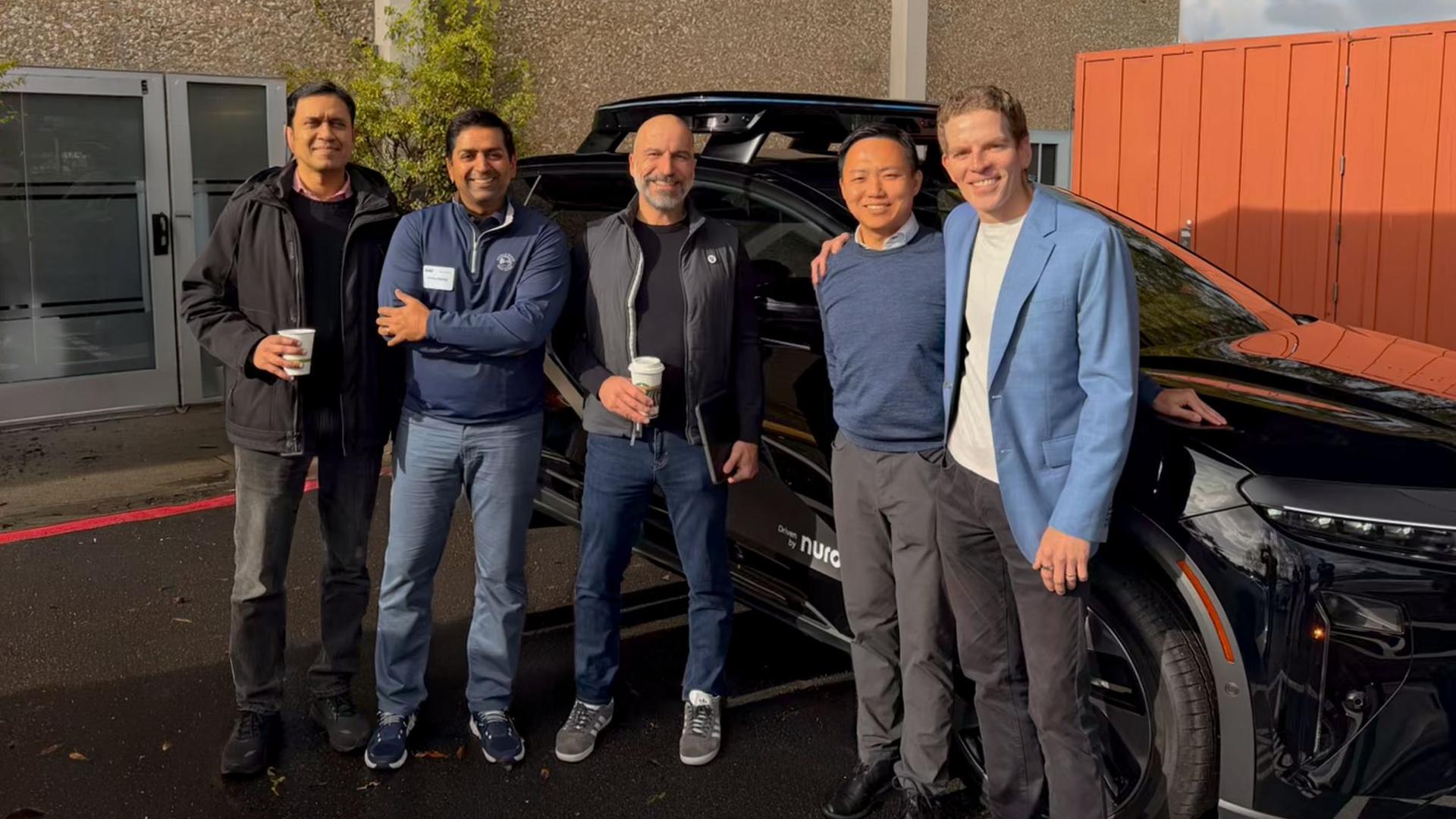
Uber and Nuro have begun testing a premium robotaxi service in San Francisco using Lucid Gravity SUVs equipped with Nuro's autonomous driving system. Select Uber employees can request rides through the Uber app, with vehicles operating autonomously but a human safety operator behind the wheel as backup. Uber invested $300 million in Lucid and agreed to purchase at least 20,000 Gravity SUVs over six years.
The Lucid Gravity robotaxi features high-resolution cameras, solid-state lidar, and radar sensors, powered by Nvidia's Drive AGX Thor computer. Nuro's engineering fleet now includes about 100 Lucid Gravity SUVs deployed across multiple U.S. cities for real-world data collection and testing.

Testing and Validation
The employee test rides serve multiple purposes: evaluating how the autonomy stack, vehicle, and rider experience work together. Nuro confirmed that these rides help refine the service as the program moves closer to launch. The pilot follows Uber's established playbook of extensive internal testing before public rollout.
The San Francisco testing ground benefits from a mature regulatory environment and extensively mapped streets. Uber CEO Dara Khosrowshahi has stated that autonomous vehicles are complementary to human drivers.
Strategic Implications
Uber's approach represents a significant shift from developing proprietary technology to partnering with specialized firms. The choice of Lucid's high-end electric SUVs positions Uber to compete in the luxury autonomous ride segment. The partnership reveals industry consolidation around platform plays rather than vertical integration.
Financial pressures are accelerating these partnerships. Public availability could arrive by late 2026.