Iran09 September, 20263 min read
IAEA Board Refers Iran to UN Security Council Over Uranium Trace Non-Compliance
This article is an automated aggregation of coverage from news outlets. Our editorials offer in-depth analysis curated by the NewsCord team.
IAEA Board voted to refer Iran to UN Security Council over nuclear non-compliance Move marks first referral in 20 years, with 23 votes in favor
PressTV was read line by line by the Watchdog: 4.8. See the score →
IAEA referral to Security Council
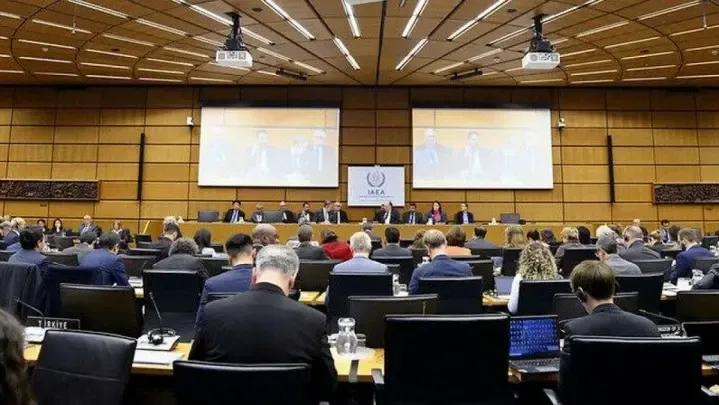
The UN nuclear watchdog’s board reported Iran to the UN Security Council for the first time in 20 years on Wednesday, citing Iran’s failure to cooperate in a long-running investigation into uranium traces detected by inspectors at various undeclared sites in Iran. The Associated Press reported that 23 countries on the International Atomic Energy Agency’s 35-member board of governors voted for the resolution at IAEA headquarters in Vienna, while China, Russia and Niger opposed it, eight abstained, and one didn’t vote as it was in arrears.
The resolution was put forward by the United States, Britain, France and Germany, and it asked IAEA Director General Rafael Grossi “to report this resolution and the previously adopted resolutions … to all Members of the Agency and to the UN Security Council and the General Assembly of the United Nations.” The IAEA’s move opens Iran to possible sanctions and asset freezes, though the Associated Press said such punitive measures are unlikely because Iran’s allies Russia and China hold veto power on the panel.
Iran rejects, EU accuses
Iran rejected the referral, with Anadolu Agency reporting that Iranian Deputy Foreign Minister Kazem Gharibabadi said the decision was based on “fabricated” claims and that “With these fabrications, you cannot compensate for the failure of your policies and actions, nor achieve any result in the Security Council.” Al Jazeera reported that the European Union accused Iran of suspending its cooperation with the IAEA and refusing to allow the agency to inspect its nuclear facilities, adding that “It is critical and urgent that Iran provides the IAEA with updated verifiable declarations about the quantity and whereabouts of nuclear material and related activities and allows inspections to resume in all its nuclear facilities.”
Al Jazeera said the IAEA board’s resolution marked the first time in 20 years the board passed such a resolution, and it said 23 countries voted in favour while Russia, China and Niger opposed it. The same Al Jazeera report said the resolution noted “with grave concern… Iran’s continued non-compliance with its obligations” and “reiterates its call upon Iran to urgently remedy its non-compliance,” while Iran’s mission denounced the resolution as tied to “criminal acts of aggression by the U.S. and Israeli regime.”

Stockpile, access, and next steps
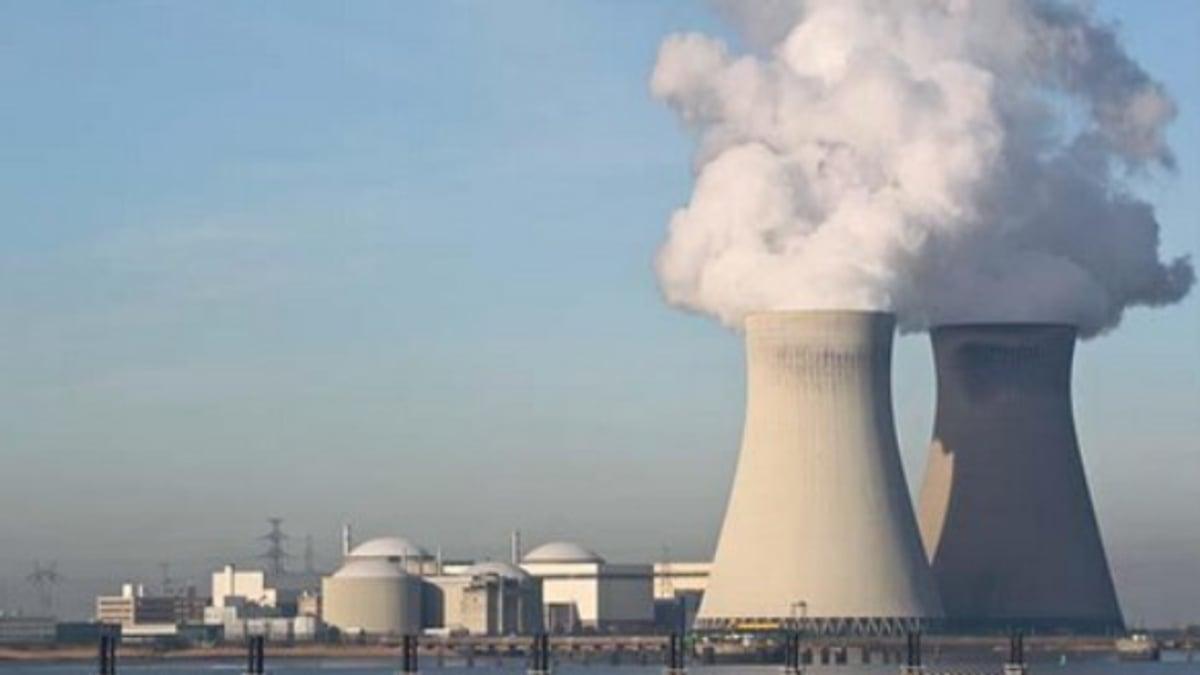
The referral comes as the IAEA has been unable to verify the status of Iran’s stockpile of uranium enriched up to 60% purity since the June 2025 strikes, with the Associated Press reporting that the IAEA said Iran maintains a stockpile of 440.9 kilograms (972 pounds) of uranium enriched up to 60% purity. The Associated Press said that stockpile could allow Iran to build as many as 10 nuclear bombs if it decided to weaponize, while also quoting IAEA chief Rafael Grossi warning that the figure does not mean Iran has such a weapon.
Al Jazeera reported that the IAEA suspects Iran has about 400kg (881lbs) of highly enriched uranium, and it said IAEA staff have not been allowed to continue inspecting Iran’s three nuclear facilities since the US and Israel launched attacks on Iran in June last year. Al Jazeera also quoted Grossi telling the board on Monday that the issue needed to be “urgently” addressed, warning that “The agency’s lack of information about these facilities and associated nuclear material and our inability to conduct verification activities at these facilities is a matter of serious proliferation concern.”