Iranupdated 17m ago2 min read
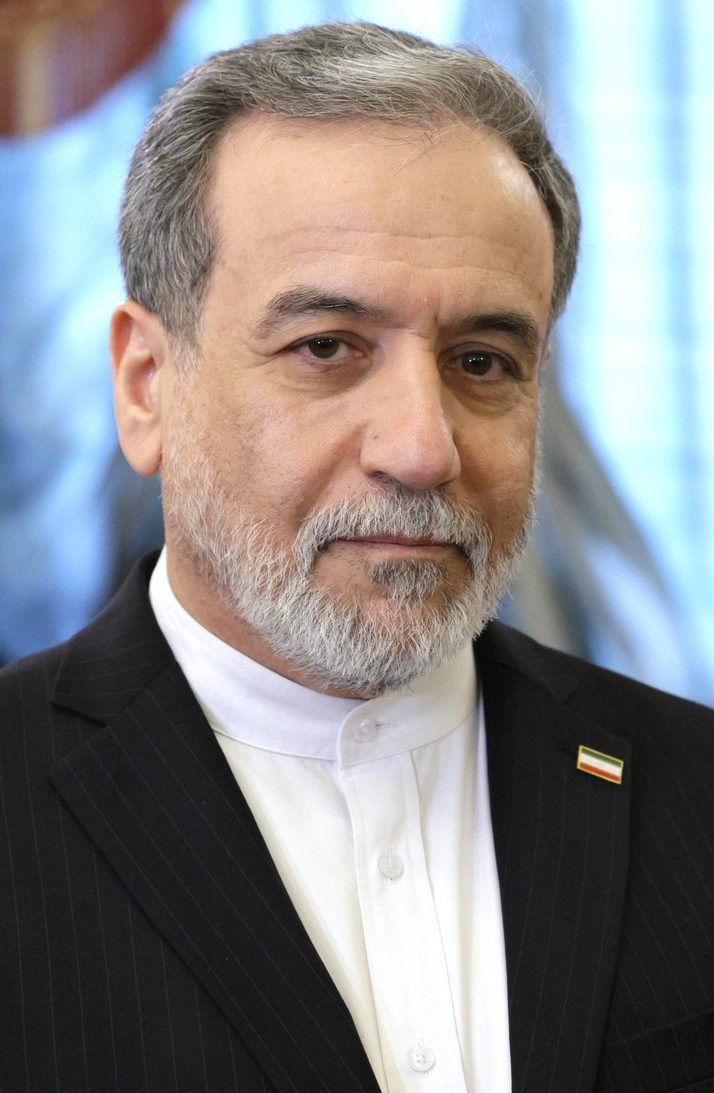
Archive photo · 27 April 2026Abbas Araghchi Says Doha Talks Continue as Trump Warns US Targets Remain
14 West Asian7 Asian6 Western Mainstream10 Other source typesPhoto: Kremlin.ru, CC BY 4.0 · Cropped for layout
This article is an automated aggregation of coverage from news outlets. Our editorials offer in-depth analysis curated by the NewsCord team.
Araghchi: Doha consultations with Qatari mediators on Hormuz plan ongoing; no final conclusion yet. Iranian envoys held Doha talks with Qatari mediators to discuss de-escalation after midterms.
Save coverage image
www.ynetnews › opinions-analysis › article was read line by line by the Watchdog: 8.7. See the score →
Talks, then threats
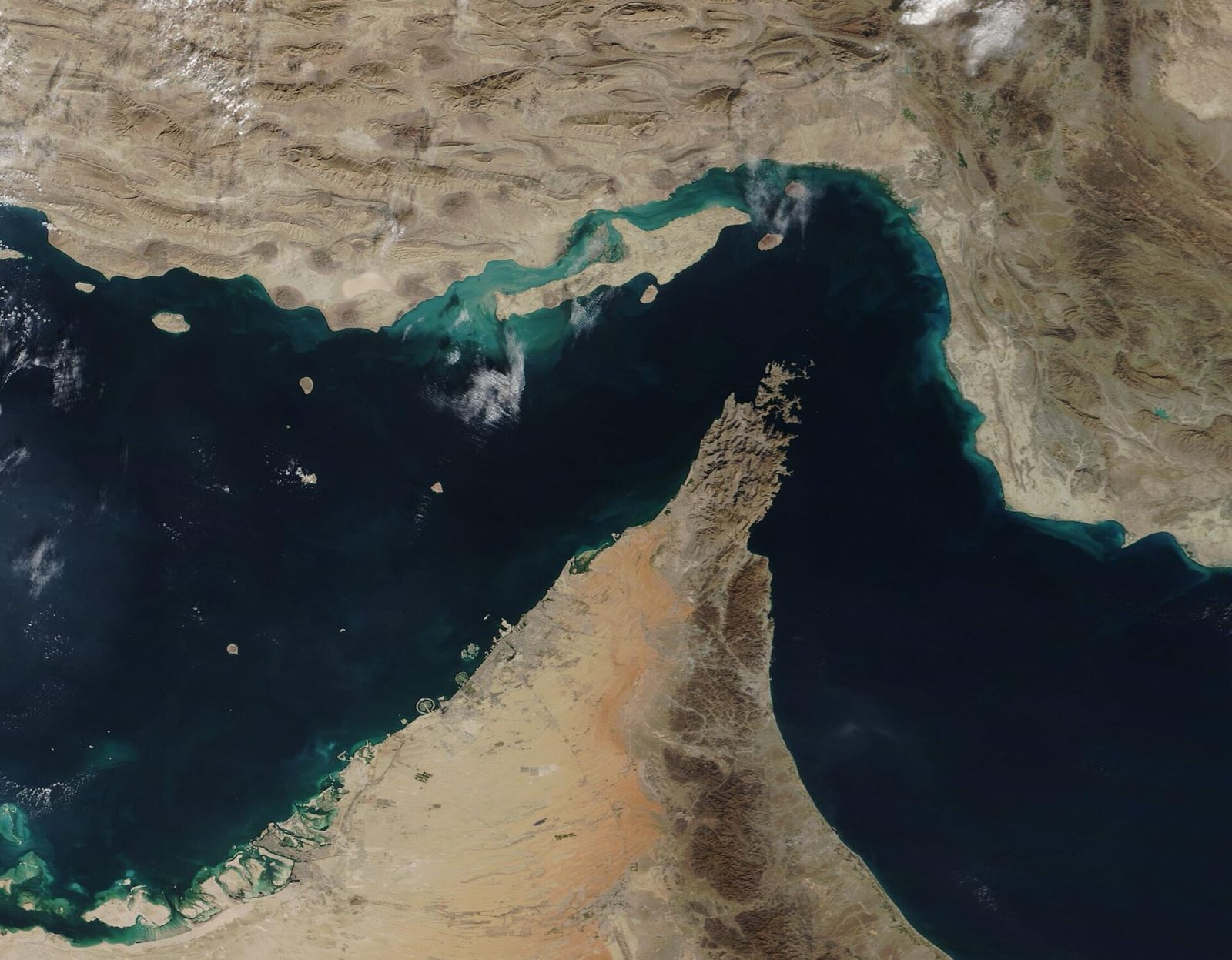
Iran’s Foreign Minister Abbas Araghchi said an Iranian delegation travelled to Doha to meet Qatari mediators as discussions continued on a two-day plan to reopen the Strait of Hormuz and restart peace talks with the US.
Araghchi told Al Jazeera that the proposal depended on Washington meeting Tehran’s demands, including lifting recently imposed US sanctions and reinstating oil waivers granted in June.
Iranian officials also projected readiness for renewed military escalation, with Araghchi telling Al Jazeera, "I know that our armed forces are more prepared for war than any time before, and we are ready for any scenario," and with Supreme Leader Mojtaba Khamenei ordering commanders to update Iran’s target list to include "all types of tangible and intangible assets belonging to the American-Zionist enemy."
On the US side, President Donald Trump said the negotiations were "going fine" while warning the US still had several Iranian targets to "take care of," and Secretary of State Marco Rubio said, "There are multiple talks. Talks have actually never stopped," as Qatari-mediated talks continued.
Rhetoric and mediation
Iran’s security chief Mohsen Rezaei said he had read a letter from US Vice President JD Vance and described its tone as "completely changed" compared with earlier correspondence from Trump. Rezaei also told Al Jazeera that Iran would use "new weaponry" in its response to any future attacks, while Araghchi said the American side’s attempt to open the door to dialogue and understanding was a "positive step."
Trump told reporters at his Mar-a-Lago estate in Florida that the US could strike Iran’s remaining suspected nuclear facilities in "10 minutes," and he said, "We still have to take care of, I would say, one or two sites, but we can do that in ten minutes." Iran’s Foreign Minister Abbas Araghchi said consultations on the Qatari initiative were ongoing and that "we have not yet reached a definitive conclusion," adding that the outcome depended on "the responses the other side provides to our questions."
Regional stakes rise
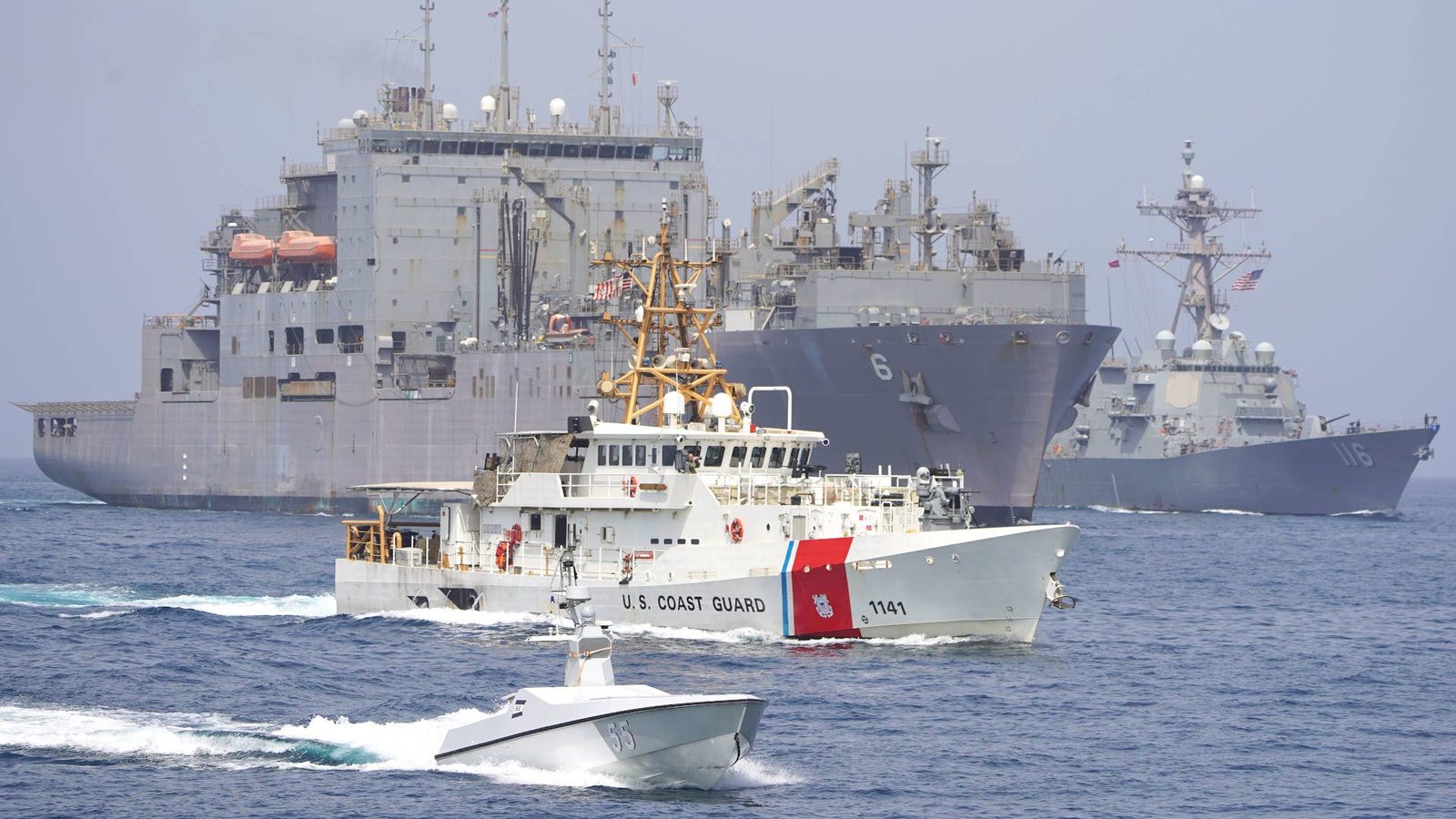
As the Iran-US diplomacy unfolded, the Strait of Hormuz remained a focal point, with the British maritime security agency UKMTO saying a merchant vessel’s master relayed a mayday call after "another vessel has been struck by an unknown projectile" in the strait. The CBS News account tied the incident to Qatari reporting about an earlier attack on a gas tanker, and it said the report stated "None of the crew members onboard the vessel were injured" and "there was no environmental impact from the attack."
At the same time, Iran’s warnings emphasized that any renewed conflict would not be geographically limited, with Mojtaba Khamenei warning there would be "no geographical limitations for Iranian attacks" if the war resumes. In Bahrain at the 22nd IISS Manama Dialogue, GCC Secretary General Jasem Mohamed Al Budaiwi said the bloc still called for dialogue and negotiation, while Egypt’s Foreign Minister Badr Abdelatty warned that "The second round will be more dangerous, more destructive, and it will lead to nowhere," as ministers discussed the risks of renewed fighting.