Technology and Science18 July, 20263 min read
Waymo Resumes San Francisco Robotaxi Service After PG&E Power Outage Disables Traffic Signals
This article is an automated aggregation of coverage from news outlets. Our editorials offer in-depth analysis curated by the NewsCord team.
Waymo paused San Francisco robotaxi for about an hour due to a PG&E outage. The outage knocked out traffic signals citywide, prompting temporary service suspension.

Outage triggers Waymo pause
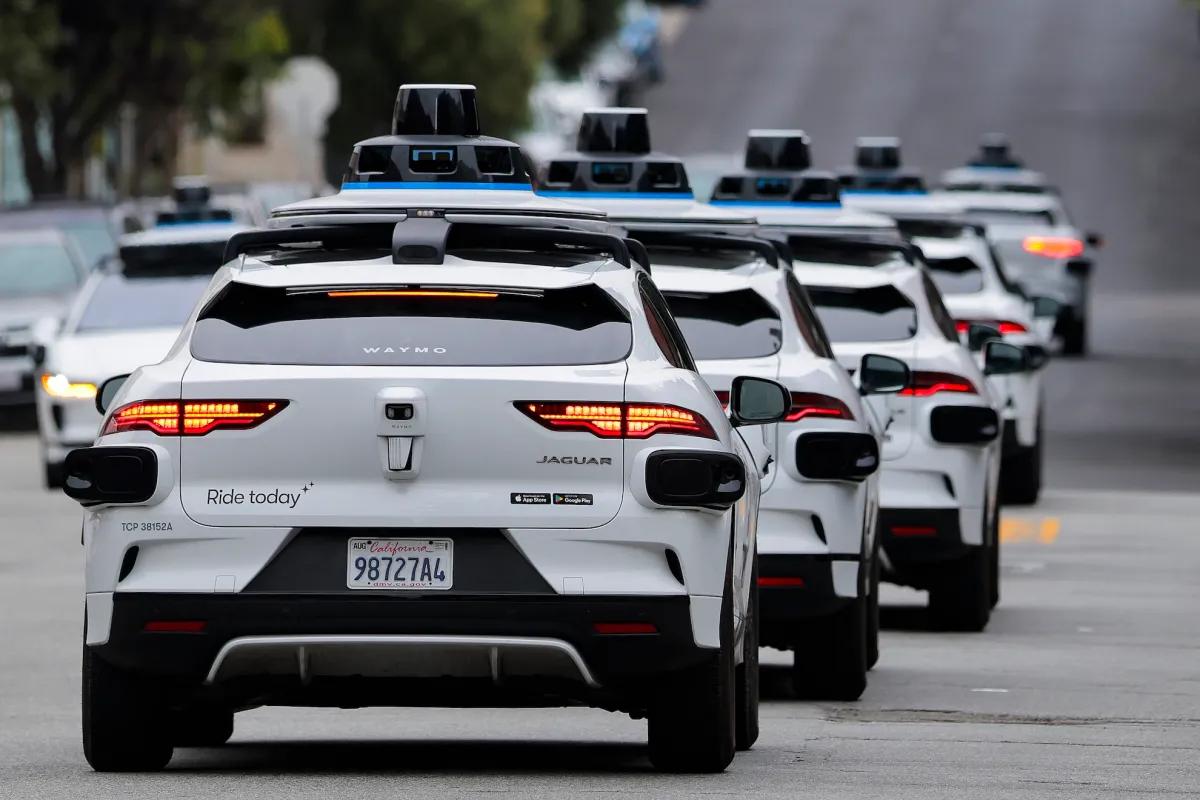
A power outage in San Francisco knocked out traffic signals in parts of the Richmond District and Presidio and prompted Waymo to temporarily pause robotaxi rides for about an hour starting shortly after the outage began. PG&E spokesperson Edgar Hopida said the outage began around 9:45 a.m. and initially affected about 9,400 customers, while restoration was expected by 2:30 p.m. and by about 4:30 p.m. for remaining customers. Waymo later lifted the pause in other parts of the city but confined service adjustments to the areas impacted by the outage, including the Presidio, Richmond District, and parts of Golden Gate Park.
“Power was expected to be restored by 2:30 p.m., according to PG&E.”
A Waymo spokesperson said the company paused service because it was assessing the scale of the power outages and coordinating actions with local officials, and the company said it returned to normal operations after the pause. The San Francisco Department of Emergency Management urged drivers to expect delays and treat dark traffic signals as four-way stops during the disruption.

Officials, app messages, scrutiny
During the pause, a message on the Waymo app told riders, “We’re sorry for the inconvenience — please check back again soon,” and another message warned that trips could be longer than usual. The San Francisco Department of Emergency Management urged drivers to consider alternate routes and treat dark traffic signals as four-way stops, while a PG&E spokesperson said the outage affected about 9,400 customers and began around 9:20 a.m. Waymo said it continued serving riders in most of its Bay Area service territory and urged customers to check the app for the latest service updates.
San Francisco Mayor Daniel Lurie urged state transportation officials to develop new standards for autonomous vehicles during major events and emergencies after Waymo vehicles contributed to a July Fourth traffic meltdown near the Presidio and northern waterfront. The San Francisco Standard framed Saturday’s response as a sharp departure from Waymo’s handling of previous disruptions, citing that during a citywide December blackout Waymo vehicles stalled more than 1,500 times.
Rules, reporting, and next steps
The outage and Waymo’s response left open questions about rules for outages, with TechCrunch noting that officials and Waymo coordinated quickly while the city and Waymo still faced questions about how autonomous vehicles should operate during large-scale disruptions. Waymo’s statement to users included, “We have decided to suspend the service for about an hour to assess the scale of the power outages affecting a large portion of San Francisco and coordinate actions with local officials,” and the company said it was making temporary adjustments while monitoring local conditions. San Francisco Mayor Daniel Lurie called for strengthening the state’s regulatory standards on how autonomous vehicles should operate during large-scale events, planned or unplanned, after the July Fourth and December incidents.
The San Francisco Standard said the California Public Utilities Commission requires Waymo to report vehicle “stoppage events” in quarterly filings, and it described Waymo’s fight to keep some information confidential. The San Francisco Standard also reported that at a January hearing Waymo declined to confirm how many vehicles became stranded during December’s blackout, arguing that even the raw number constituted a trade secret.