India25 September, 20252 min read
Indian Police Arrest 38 Muslims and Demolish Homes in Collective Punishment After ‘I Love Muhammad’ Procession
This article is an automated aggregation of coverage from news outlets. Our editorials offer in-depth analysis curated by the NewsCord team.
Police registered 21 FIRs and booked over 1,300 Muslims nationwide over ‘I Love Muhammad’ banners 38 Muslims were arrested in connection with the protests and demonstrations across several states

7 outlets told this the same way.
Outlets did split on Three Indians Rescued From MV Royad Mammadov Attack Depart Romania For India →
Crackdown on Religious Processions
APCR and multiple outlets report a nationwide crackdown around “I Love Muhammad” processions. At least 1,324 Muslims have been booked in 21 cases and 38 arrested after the Kanpur flashpoint. Police in some places insist the action targets public-order violations rather than the slogan itself.
“At least 1,324 Muslims have been booked in 21 cases across India... The issue began on September 4 in Kanpur... Thirty-eight Muslims have been arrested so far.”
The issue began in Kanpur when Hindu groups objected to the banner during an Eid-e-Milad-un-Nabi/Barawafat procession. This objection sparked copycat rallies and clashes in other states. Rights groups and Muslim organizations characterize the rallies as peaceful religious expression.

They describe the subsequent cases as criminalization of speech and faith. These groups are calling for constitutional protections and accountability.
Crackdown in Kashipur Community
Kashipur, Uttarakhand, is a focal point for what APCR calls collective punishment after a September 21 procession. A fact-finding team reported demolitions of 20–25 shops and stalls and about 200 homes and shops labeled “illegal.” These actions were accompanied by forcible changes to electricity meters, ration-card re-verification under threat, and sudden house-tax notices.
Residents alleged intimidation, including detention and beatings of children as young as 10, who were sent to juvenile homes. Authorities and some media coverage frame these as law-enforcement measures against unauthorized processions and unrest. Rights-focused accounts describe a targeted crackdown on a Muslim-majority locality.
Disputes Over Religious Marches
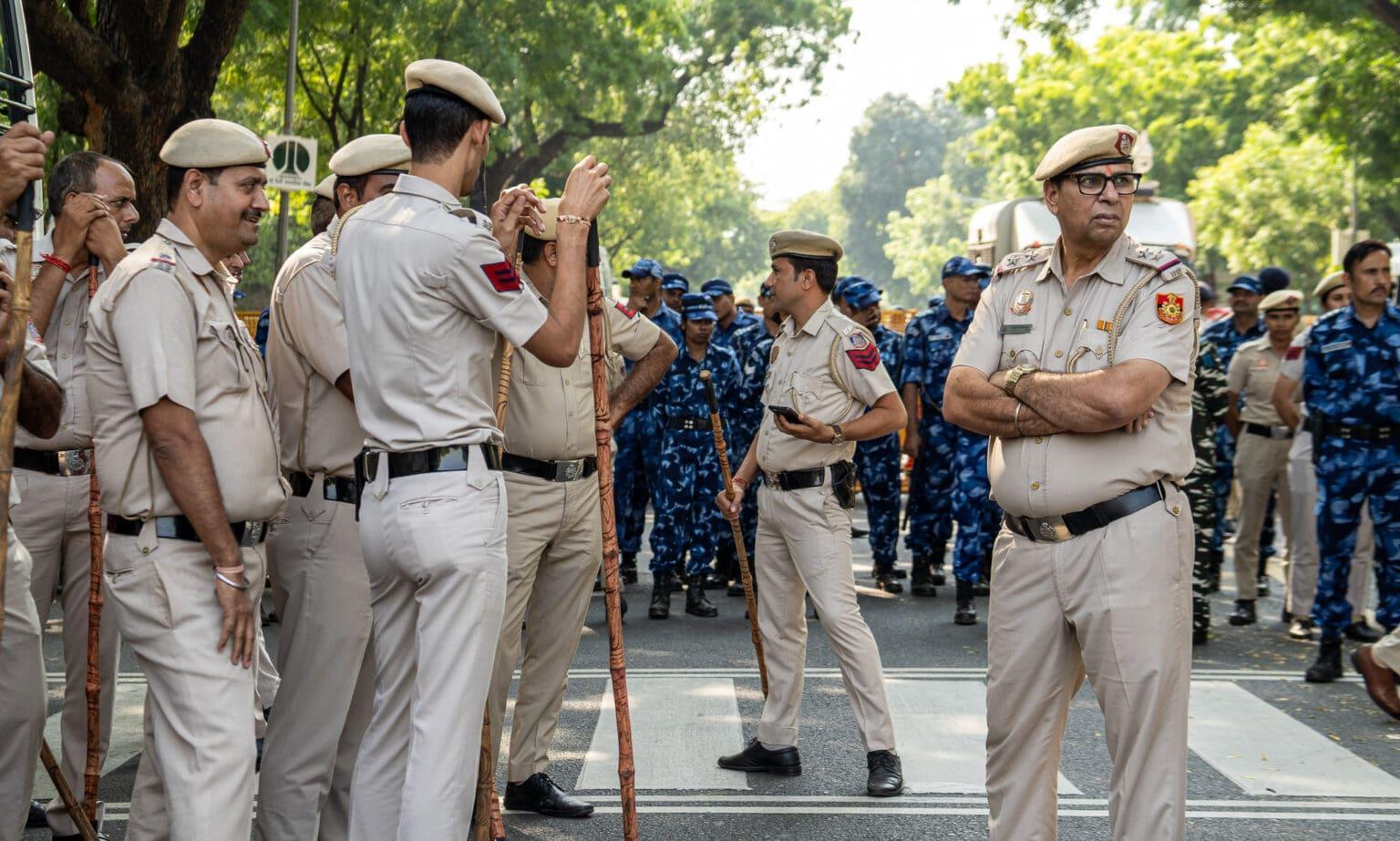
Police and administrative authorities justify their actions by emphasizing the need for permission and maintaining public order. In Kashipur, police stated that the march was unauthorized and that officers were attacked, which led to arrests and hundreds of cases. Elsewhere, multiple FIRs have been filed citing violations of public order.
“Police claimed the march was unauthorized and said officers were attacked, leading to arrests of seven people... and cases against around 500 others.”
Rights groups and Muslim organizations argue that this amounts to an unconstitutional criminalization of peaceful religious expression. They call for the protection of free speech and religious freedom. These groups also warn that enforcement is biased and disproportionately affects Muslim communities.
Political Unrest and Public Response
Politics and public discourse further inflame or contest the narrative. In Kanpur, a banner placed where Ram Navami decorations typically appear prompted accusations of provocation and a demand for an SIT probe. AIMIM’s Asaduddin Owaisi countered by asserting that such expression is not criminal.
In Kashipur, three Samajwadi Party members were expelled for inciting unrest. Elsewhere, social media allegations fueled unrest and arrests. APCR says it will seek judicial review, framing the dispute as a test of constitutional freedoms and India’s pluralism.