Full story
Final stages, new routing
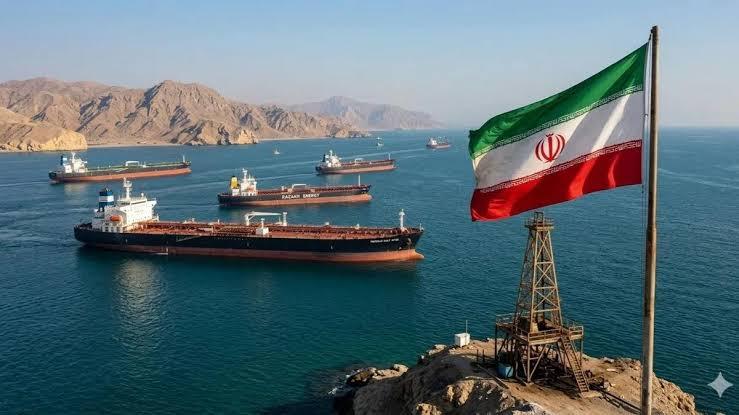
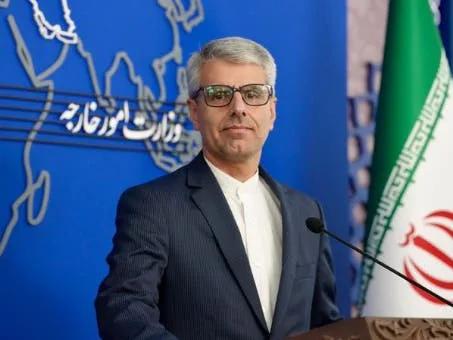
Iran says it is in the final stages of reaching an agreement with Oman on a new navigation framework for vessels transiting the Strait of Hormuz, with Iranian Foreign Ministry spokesman Esmail Baghaei saying both countries have agreed on the proposed geographic coordinates and are reviewing a joint statement outlining the key terms.
“Iran says it is in the final stages of reaching an agreement with Oman”
Under the proposed arrangement described by Times Kuwait, vessels entering the Arabian Gulf would use a channel close to Iran’s coastline while outbound ships would transit a separate channel near Oman’s waters, and Iranian officials have said the agreement would not impose transit tolls on commercial vessels.

Instead, the plan described by Times Kuwait would introduce a service fee to cover maritime security, environmental protection and operational support, with revenues shared equally between Iran and Oman, while U.S. officials familiar with the negotiations disputed that claim.
Shafaq News similarly reported that Iran and Oman have reached the final stages of a joint statement on talks over the Strait of Hormuz, with Esmaeil Baqaei warning that the understanding does not by itself mean the strait will become safe for ship passage because “The factors Washington considers to make the strait unsafe remain in place.”
U.S. disputes, CENTCOM counts
The dispute over how the arrangement would work is reflected in Times Kuwait’s account that U.S. officials familiar with the negotiations said any temporary navigation arrangements would not require Iranian approval or involve fees, even as Iran says it intends to retain a degree of oversight over navigation through the waterway.
Shafaq News added that the U.S. Central Command (CENTCOM) reported commercial shipping through the Strait of Hormuz remains possible via the southern route, and CENTCOM stressed its continued efforts to facilitate maritime traffic through the strategic waterway.

In that same Shafaq News report, CENTCOM described Iranian actions in the area as “unwarrantedaggression,” and said it has helped more than 1,000 commercial vessels safely transit the Strait over the past three months.
Times Kuwait also said the negotiations follow months of discussions aimed at reopening the Strait of Hormuz after Iran restricted maritime traffic in response to military strikes by the United States and Israel earlier this year, while Tehran maintained it intends to retain oversight over navigation through the waterway.
Temporary corridor, conditions
Kurdistan24 reported that Iran and Oman agreed on a maritime route for vessels transiting the Strait of Hormuz and were finalizing arrangements for jointly managing navigation, with Foreign Ministry spokesperson Esmaeil Baqaei saying the geographical coordinates of the proposed route were agreed and the joint statement was in final review and drafting.
“Iran and Oman have agreed on a maritime route for vessels transiting the Strait of Hormuz”
Anadolu Ajansı said Iranian Deputy Foreign Minister Kazem Garib Abadi described the navigational route under negotiation as a "temporary route" that may remain in effect for two to four months or more, and said full opening of the strait would remain contingent on the stance of the United States.
Al Jazeera Net quoted Gharib Abadi saying the understanding reached with Oman regarding regulation of navigation in the Strait of Hormuz represents a “new model” that differs from arrangements that have been in place for the last 60 years, and it said the accord includes closing the northern route near Larak Island and the southern route located in Omani waters.
Anadolu Ajansı also said Garib Abadi confirmed the negotiations took place exclusively between Iran and Oman and that “The agreement on passage through the Strait of Hormuz was between Iran and Oman as the two littoral states of the strait, and no talks with the United States were held during this period.”