Protests05 January, 20263 min read
Iranian Security Forces Kill At Least 12 As Protests Enter Ninth Day
This article is an automated aggregation of coverage from news outlets. Our editorials offer in-depth analysis curated by the NewsCord team.
Iranian security forces killed at least 12 people during protests. Protests spread from Tehran to multiple cities, triggering nationwide shopkeepers' strikes.

7 outlets told this the same way.
Iran protests over economy
Protests that began in Tehran on 28 December over soaring inflation and the collapse of the rial have spread nationwide and entered their ninth day, driven by sharp price rises and currency turmoil. The BBC reports the unrest began on 28 December over 'soaring inflation and a sharp fall in the rial' and says the unrest is 'now in their ninth day.' Tempo notes the demonstrations 'entered a second week' amid 'rising living costs' and wide geographic spread.
“Deadly protests over rising living costs in Iran entered a second week, with rights groups and local media reporting widespread unrest and a growing death toll.”
Newskarnataka describes 'widespread anti-government protests in Iran, with shop closures, student occupations of campuses and crowds chanting economic and political slogans.' Iran International likewise frames the events as 'nine days of nationwide protests' that have continued 'despite an intensified security presence.'
Conflicting casualty reports
Counts of deaths and arrests vary sharply between outlets, reflecting different sources and methodologies. Tempo reports that AFP's tally based on official reports says at least 12 people, including security personnel, have been killed. The BBC says human rights groups report that more than 20 people have been killed.
Iran International relays rights groups' tallies and HRANA data, stating that rights groups and outlets say at least 29 protesters have been killed, more than 1,200 arrested, and dozens wounded. HRANA confirmed 29 fatalities, including two security personnel, and Iran International has identified 21 victims.
Newskarnataka gives a lower immediate figure, saying at least seven people have been reported dead. Tempo and Iran International also report mass arrests, with Tempo citing HRANA and 'over 990 arrests' in multiple provinces.
Reports on security tactics
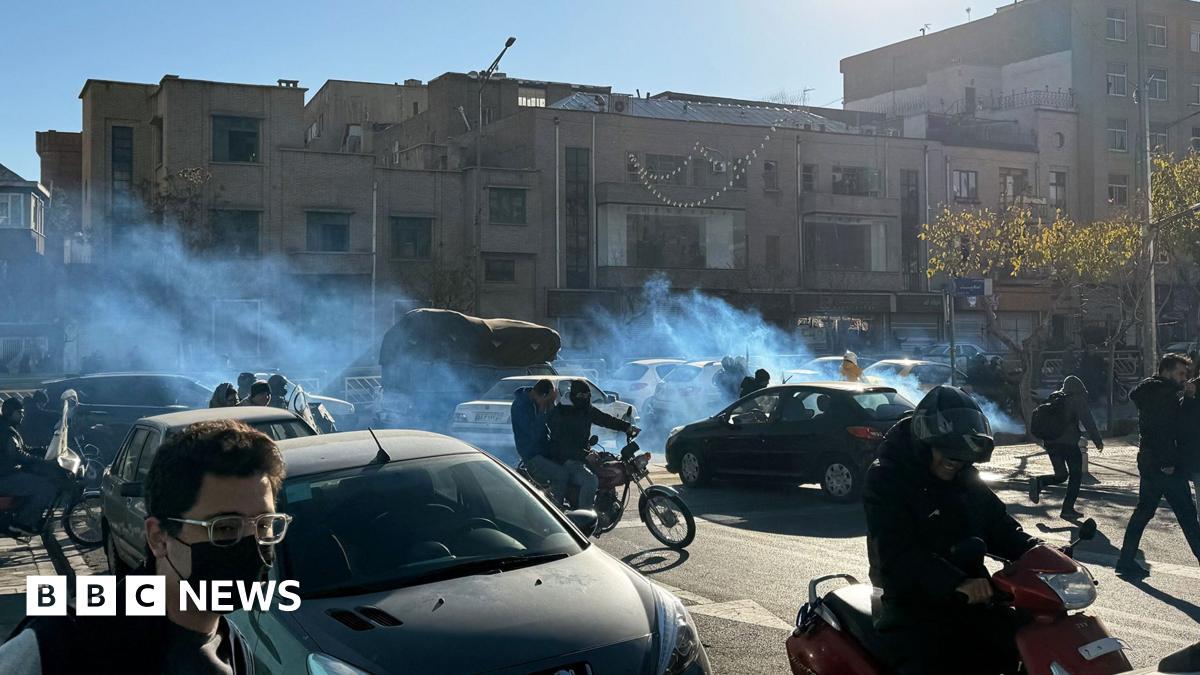
Iran International reports raids on hospital wards, beatings of medical staff, and the use of tear gas and live ammunition. It documents the case of 17-year-old Reza Moradi, who was shot by security forces on January 1 and later died in hospital. The BBC states that Iranian security forces responded violently.
“Iranian security forces have responded violently, and human rights groups say more than 20 people have been killed.”
Tempo says state media provided little information and records local accounts that four Kurdish protesters were killed while Iranian media reported one security force member killed by 'rioters'. Newskarnataka reports officials were on high alert with the armed forces on standby and that officials accused foreign actors of stoking unrest.
International reactions to unrest
International rhetoric around the unrest has been stark and polarized.
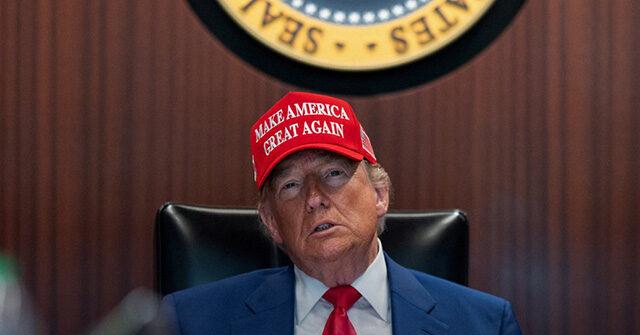
The BBC documents US President Donald Trump issuing direct warnings — including saying the US was 'locked and loaded' — and warns such public threats 'could embolden demonstrators.'
Tempo records Trump warning Iran it would be 'hit very hard' if more protesters are killed.
Iran International reports that 'U.S. and Israeli officials ... are weighing limited interventions to aid protesters short of full regime‑change invasions' and notes 'U.S. Senator Mark Warner expressed support for the demonstrators but voiced skepticism about President Trump’s threats.'
Newskarnataka records Iran’s foreign minister calling Trump’s remarks 'reckless and dangerous' and quotes senior officials accusing the US (and Israel) of stoking unrest.
Iran protests and responses
Analysts and local observers warn the unrest could mark Iran's most serious domestic challenge in years and leave the outlook uncertain. Tempo reports observers saying these are 'Iran's most serious protests since the 2022 unrest after Mahsa Amini's death.' The BBC situates the protests in a broader economic crisis, noting the rial is about 80% weaker than a year ago, official inflation is around 42%, and food inflation tops 70%.
“Protests and strikes continued despite an intensified security presence.”
Newskarnataka records government efforts to engage, with President Masoud Pezeshkian inviting protest leaders to talks and acknowledging 'legitimate demands,' even as IRGC warnings suggest a harder line. Iran International notes continued protests and strikes despite an intensified security presence, underscoring the situation's volatility.