Iran · 01 August, 2026 · 3 min read
Israel Raises Alert as U.S. Prepares Strikes on Iranian Energy Infrastructure
The US and Israel plan strikes on Iran's energy infrastructure, possibly this weekend. Iran pledges retaliation and decisive response to any attack on its energy sites.
Israel-Gaza ceasefire claim vs continuing strikes.
9 of 10 outlets skipped it: BBC Persian adds claims about US cyberattacks on water systems.
Al Jazeera was read line by line by the Watchdog: 4.5. See the score →
18outlets compared
Same story, two versions
tap a side to read it in full
The Times of Israel
“Meanwhile, Israel conducted a wave of bombings in Gaza on Saturday.”Read the original ↗
CNN stresses unverifiable Hamas claims; others report strikes without that same caveat
U.S. strike plans on Iran
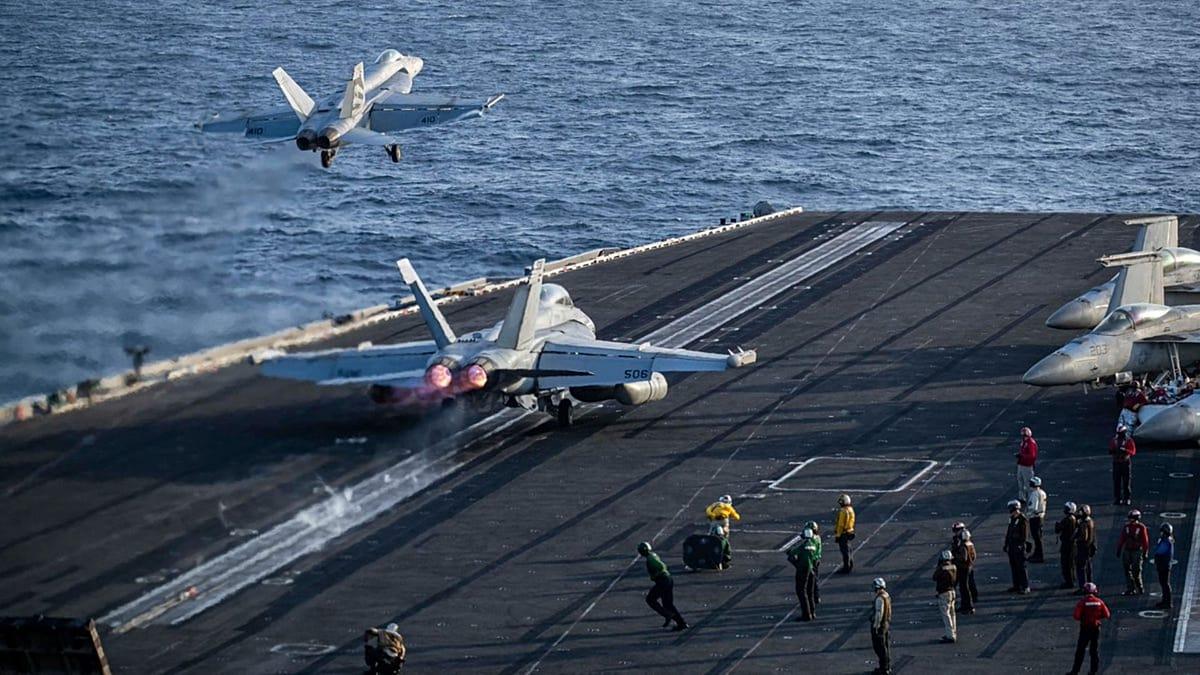
The United States and Israel are preparing possible strikes on Iranian energy infrastructure, with CBS reporting that strikes could be launched as early as this weekend while President Donald Trump has not yet given the final order.
“strikes possible throughout the weekend”
Israel raised alert and readiness as assessments said Trump was close to deciding to resume military strikes against Iran on an even larger scale, and Israeli sources told The Jerusalem Post, “we are on high alert and awaiting the president’s final decision.”

In parallel, the U.S. State Department issued new security alerts for Americans in 10 countries in the region, urging heightened caution due to escalating tensions with Iran.
Kuwait said it responded to a new round of drone attacks from Iran while a tanker was struck in the Strait of Hormuz, and the British Navy said Saturday that a tanker was struck and a separate explosion hit close to a vessel in the Strait of Hormuz off the coast of Oman.
Trump signaled the plan Friday at Camp David, saying “we’ll be hitting them very hard,” as the region braced for possible escalation tied to the reopening of the Strait of Hormuz.
Iranian warnings and travel alerts
Iran’s Foreign Minister Abbas Araghchi warned of any “adventurous action” by the United States in separate phone calls with his Turkish counterpart and Pakistan’s army commander, according to the Iranian minister’s account on Telegram.
Araghchi also warned that Iran would respond decisively to any “aggression” from the US, Israel or other countries in the region, and CNN reported that he held those calls as the Middle East crisis returned to a familiar pattern of threats.C
Israel’s working assumption, as described by The Jerusalem Post, was that any major strike on Iran would likely draw Israel into the conflict even if it was carried out without direct Israeli participation.
The U.S. Embassy also updated its travel advisory, recommending that US citizens in Israel consider leaving due to rising tensions or be prepared to depart if an escalation occurs, and the Jerusalem Post said US embassies in Jordan, Egypt, Qatar, Saudi Arabia, and Iraq issued similar warnings.
In Israel, Ynetnews reported that Israel’s heightened alert followed Seyed Mohammad Marandi’s warning on X to Gulf states to prepare for “immediate evacuation,” while Israel’s Home Front Command had not changed its instructions.
Energy war stakes and retaliation
Al Jazeera reported that Iran’s wartime military command warned the United States was “moving at an accelerating pace to fan the flames of a full-scale regional war,” while Major General Ali Abdollahi said Muslim countries must reconsider cooperation with the U.S. or “any country that makes itself a defensive shield for criminal, aggressor America will burn in the fire of war.”
“moving at an accelerating pace to fan the flames of a full-scale regional war”
The same Al Jazeera report said the operation could potentially last up to two weeks and aim to cut electricity across Tehran, while it described Iran’s promise of retaliation if threatened attacks target critical energy infrastructure.
Al Jazeera also cited a Center for Strategic and International Studies assessment that U.S. air defences had performed largely well but that persistent combat operations reduced the inventory of missile interceptors, with Patriot inventories now under 1,000 and THAAD at about 250.
In Israel, the Guardian of the wider conflict’s supply-chain and infrastructure stakes was echoed by the reporting that Israel’s Defence Minister Israel Katz said “we very much want to strike Iran’s energy targets,” while adding that the United States was not approving it at present.
As the crisis widened, CBS said U.S. embassies in several Middle Eastern capitals, including Amman, Jordan; Jerusalem; and Baghdad, warned Americans to beware an “unforeseen escalation” and urged them to be ready to leave.