Lebanon · 02 September, 2026 · 3 min read
Israel Seeks Gradual Seizure of Ali al-Taher Heights as Hezbollah Rejects Evacuation
Israel pursuing gradual seizure of Ali al-Taher heights east of Nabatieh, pressuring Hezbollah and Lebanon. Hezbollah rejects evacuation, vows not to surrender Ali al-Taher hill.
42 outlets told this the same way.
9 of 10 outlets skipped it: netanyahu may be seeking war to delay elections.
The Jerusalem Post was read line by line by the Watchdog: 4.3. See the score →
42outlets compared
Al-Diyar and Nafithat al-‘Arab disagree on US backing, while other outlets anchor the dispute in Litani and UNSCR 1701.
Ali al-Taher standoff
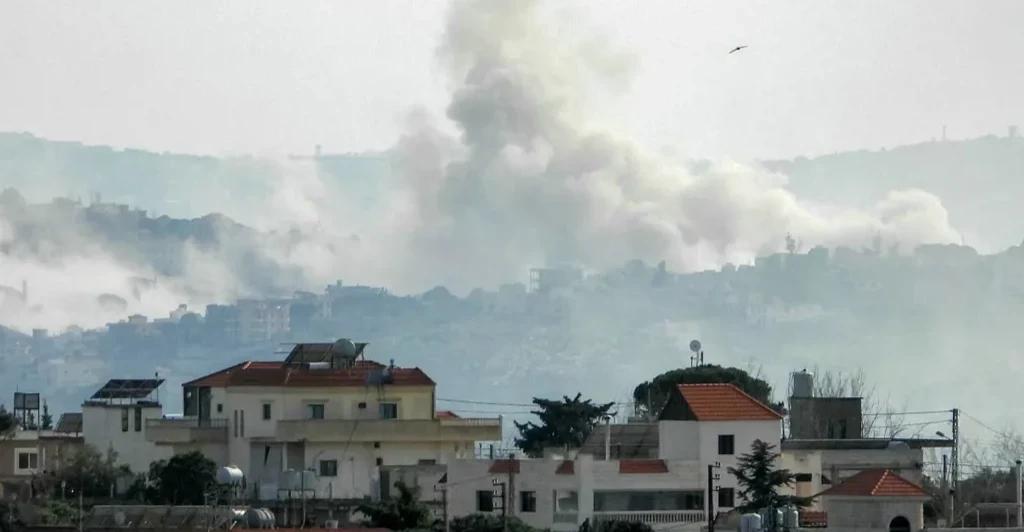
Israel is seeking to gradually seize the strategic Ali al-Taher Heights east of Nabatieh in southern Lebanon while piling diplomatic pressure on the Lebanese state and Hezbollah, which categorically rejects any discussion of evacuating the site.
Hezbollah’s refusal to discuss evacuating Ali al-Taher rests on one point: the site lies “north of the Litani River,” and the group insists on implementing the Nov. 27, 2024 agreement based on UN Security Council Resolution 1701, which provides for an end to the aggression, an Israeli withdrawal and exclusive state control over weapons south of the Litani.

A U.S. proposal would have the Lebanese army take over the site after which Israel would verify the handover, but Hezbollah received it as “a maneuver,” with a source saying it offers “no guarantees” the site would not ultimately be handed to Israel if the Lebanese army were told to withdraw.
With Hezbollah rejecting evacuation, the sources say Israel is left with a military option that could begin with “gradual encroachment,” involving making the area unlivable, cutting off supplies, and preventing fighters from being rotated in and out.
Talks, threats, and mediation
Former Hezbollah minister Mahmoud Qamati said the party has not closed the door definitively to direct contact with the Americans, with the decision taken according to interests and suitable circumstances, and Al-Sharq al-Awsat described the stance as raising questions from opponents and allies outside the “Hezbollah–Amal” duo. Al-Sharq al-Awsat also reported that messages were exchanged between Hezbollah leadership and Washington through local intermediaries whose names they preferred not to disclose, in addition to Turkey and Qatar, and did not rule out meetings by proxy.
The same report said Qamati threatened the presidents of the republic, Joseph Aoun, and the government, Najib Mikati’s successor Nofal Salam, and issued one threat after another to take to the streets to topple the government. In parallel, Naharnet reported a prominent Hezbollah source confirming the group “has no intention of surrendering the Ali al-Taher hill to the Lebanese Army, the enemy, or any other party,” while also saying the matter could be subject to a compromise if it begins with a cessation of hostilities and withdrawal.

What’s at stake next
Hezbollah’s position in Naharnet frames the stakes as a risk that surrender would “embolden the enemy to seize other positions at any cost,” and it ties the dispute to the rule that the exclusive right to bear arms is governed by U.N. Security Council Resolution 1701 and addresses only the area south of the Litani.
Asharq Al-Awsat warned that the standoff over Ali al-Taher raises the risk that Israel could turn to a “third option”: resuming fighting in southern Lebanon, and it said Hezbollah’s reading of the resolution is that “exclusive control over weapons applies only south of the Litani.”
The same Asharq Al-Awsat report said Hezbollah says the “Islamabad agreement” was what brought about de-escalation and ended the war in Lebanon, while Tel Aviv entered direct negotiations with Lebanon in Washington to move away from the US-Iranian negotiating track and separate the two files.
It also described a broader consequence: Hezbollah is betting on Iranian intervention if Israel broadens the fighting and breaks with the rules of engagement in place since the ceasefire, and the source said such developments carry the risk of renewed fighting between Israel and Iran and a fresh deterioration in regional security.