Technology and Science23 July, 20263 min read
Monsoon Floods Kill At Least 82 Across Afghanistan, India, and Pakistan
This article is an automated aggregation of coverage from news outlets. Our editorials offer in-depth analysis curated by the NewsCord team.
82 people died due to monsoon floods across India, Pakistan, and Afghanistan. Assam death toll reached 36 this week.

South Asia floods surge
Monsoon floods triggered by heavy rain across Afghanistan, India, and Pakistan have killed at least 82 people this week, with Reuters cited in multiple accounts for the overall toll.
In India’s northeastern state of Assam, at least 10 people died in the last 24 hours, bringing the state’s death toll this week to 36, while authorities described the scale as "unprecedented devastation".
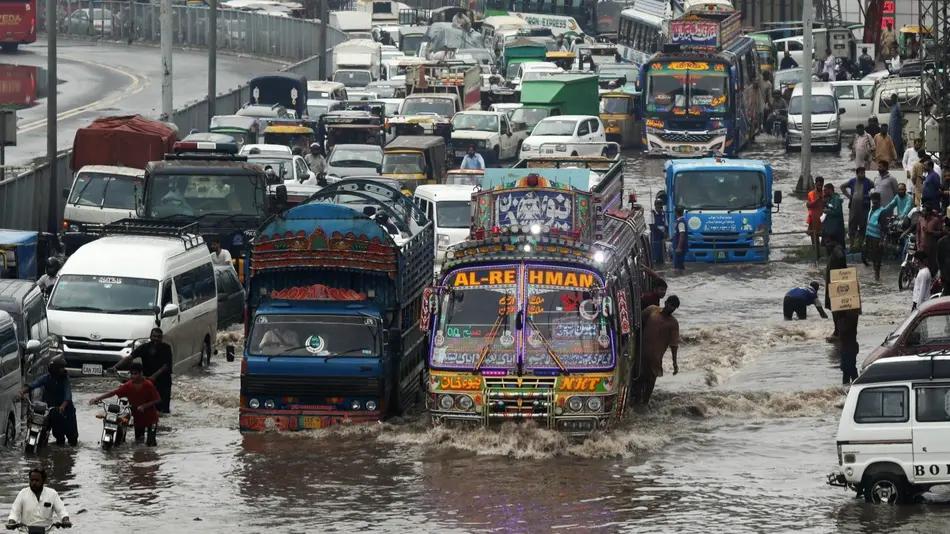
The floods in Afghanistan’s northeastern Nuristan Province and Pakistan’s Khyber Pakhtunkhwa Province have killed at least 46 people and injured more than 100 others over the past 72 hours, according to disaster management authorities cited by Reuters.
A state government report attributed the Assam flooding primarily to extremely heavy rainfall in neighbouring Nagaland between July 18 and 20, which led to unusually high river levels, with the Brahmaputra River and its tributaries continuing to rise in some reports.
In Nuristan, Mujib ur Rahman told Reuters that "The floods swept away houses and hotels. Everything is gone. It is complete devastation," as rescue efforts continued.
Numbers vary, rescue continues
While Reuters-based reporting put the combined death toll at 82, other outlets cited different figures for Assam and the wider region, including claims of 70 and 80 missing in Assam and a death toll of at least 41 in updated state-government figures. In Assam, the state disaster management authority said more than 650,000 people were affected across 11 districts, and a state government report said the flooding was driven by heavy rainfall in Nagaland between July 18 and 20. The Assamese response described in one account included mobilization of the National Disaster Response Force, the Air Force, and local agencies to carry out rescue and evacuation operations by air and sea, with more than 148 relief centers established for around 30,000 people.
In Afghanistan and Pakistan, disaster management authorities said at least 46 people were killed and more than 100 injured in the past 72 hours, with rescue teams using heavy machinery to search for people still trapped. The Vietnamese News Agency account also said the Indian Meteorological Department warned that heavy rainfall was expected to continue through July 29, increasing the risk of flash floods, landslides, and floods.
Climate vulnerability and aid
Across the reporting, Afghanistan and Pakistan were repeatedly described as among the countries most vulnerable to climate change despite relatively small contributions to global emissions, with the impacts framed around floods, droughts, glacier melt, and worsening water scarcity. One Reuters-cited account warned that "Increasing floods, droughts, glacier melt and water shortages pose a threat to millions of people," linking the disaster to longer-running climate risks. In Assam, authorities said about 900,000 people were affected across more than 1,800 villages, and nearly 150 temporary shelters were set up housing about 30,000 people.
The Folha de S.Paulo account said the Indian Air Force, the State Disaster Response Force, and the National Disaster Response Force were working round the clock on rescue operations, while cargo drones were used to deliver aid to hard-to-reach areas. In Pakistan, one report said two residents drowned due to sudden flash floods in the Tochi River, while provincial authorities said water levels in rivers and valleys had returned to normal and recovery work was underway on washed-out roads and other infrastructure.