Technology and Science28 August, 20263 min read
Nevada Sues Interior Over Colorado River Plan, Saying Upstream States Avoid Mandatory Cuts
This article is an automated aggregation of coverage from news outlets. Our editorials offer in-depth analysis curated by the NewsCord team.
Nevada sued Interior's Colorado River plan, alleging upstream states dodge mandatory cuts. The plan requires Lower Basin states California, Nevada, Arizona to cut water use.
5 outlets told this the same way.
Nevada sues over cuts
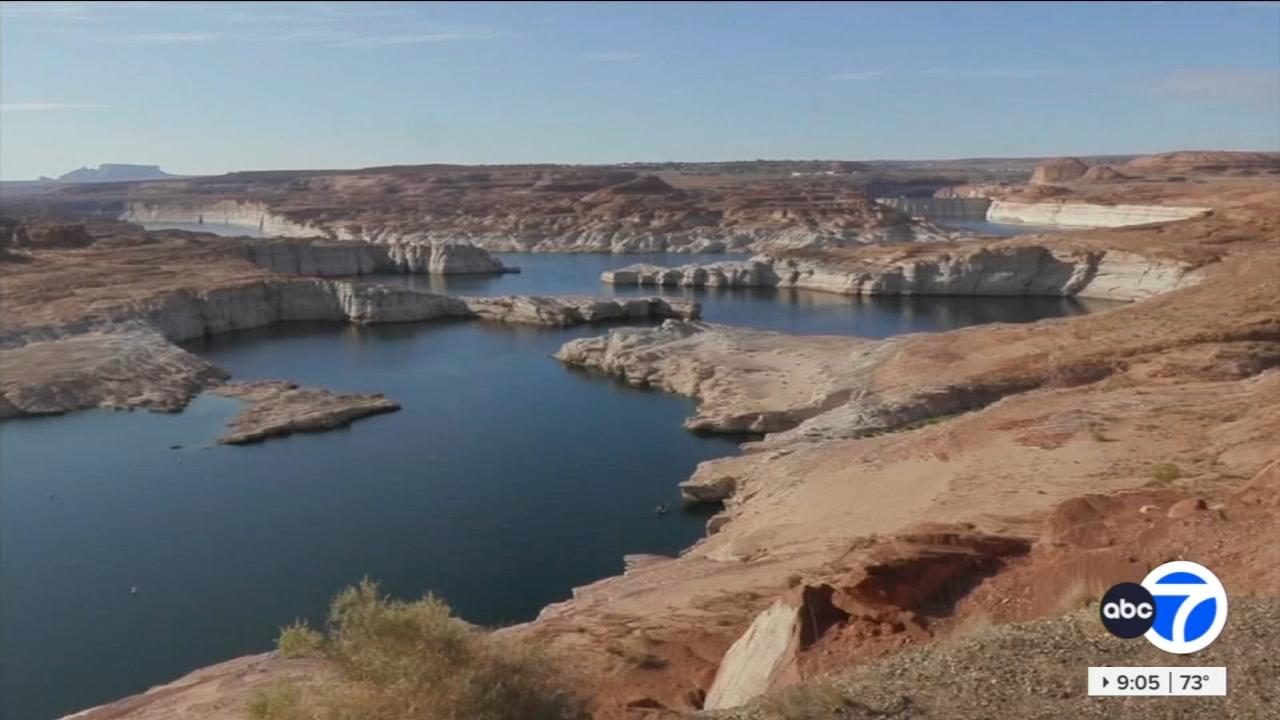
Nevada became the first state to sue over the federal government's plan for managing the Colorado River, challenging the Department of the Interior's new management plan for Lakes Mead and Powell. The lawsuit filed by Nevada, its Colorado River Commission, and the Southern Nevada Water Authority targets a proposal Nevada officials say imposes heavy reductions on southern Nevada while requiring no mandatory cutbacks from upstream states. Nevada says the federal plan could trim as much as 213,556 acre-feet of water from its 300,000 acre-foot annual allocation, leaving Las Vegas and nearby communities with less than 86,500 acre-feet even though the region used nearly 212,500 acre-feet in 2024.
Governor Joe Lombardo said in a news release, "Southern Nevada could lose more than 70 percent of its already meager Colorado River allocation" while Upper Basin states are not required to contribute a drop. Nevada is asking a federal court to throw out the new management plan and bar its use until the case is resolved, as the current rules expire in 2026.
Cities, farmers, and drought
In Cave Creek, Arizona, Mayor Robert Morris said the uncertainty from a recent federal plan can be like planning for a meteor strike, adding, "You can see it coming, but you can't get out of the way and you don't know what the damage is going to be."
The uncertainty stretches across seven U.S. states, tribal nations and Mexico, while farmers decide which crops are worth the investment and Phoenix could lose some municipal and industrial water for the first time.
Tom Buschatzke, director of the Arizona Department of Water Resources, said, "The uncertainty is going to continue to build in the wrong direction," as the Bureau of Reclamation declined to comment on litigation.
The plan would require California, Nevada and Arizona to collectively reduce water use by 1.25 million acre-feet in the next two years, enough to fill over 600,000 Olympic-sized swimming pools annually, with possible larger cuts depending on conditions.
David Mocko, a senior research scientist who authored a recent U.S. Drought Monitor map, said, "Drought is a slow-moving phenomena and it can take some time to come into it and also come out of it."
Wyoming spared, conflict looms
Interior Secretary Doug Burgum signed a 10-year plan Friday that preserves Wyoming’s decades-long allocation for the drought-plagued Colorado River Basin, setting operating criteria for releases into and out of Lake Powell and Lake Mead for an initial two-year period. The plan calls on California, Nevada and Arizona to cut their water use, with the three states seeing their collective share reduced by 2.5 million acre-feet over the period under Burgum’s signed record of decision. Wyoming State Engineer Brandon Gephart said in a statement Friday that Wyoming water users "won't face additional cuts under the Record of Decision or the Operating Guidelines" because the Secretary’s authority to mandate cuts is tied to Lake Mead and Wyoming users don’t receive water from Lake Mead.
The plan was imposed after Upper Basin states of Wyoming, Colorado, New Mexico and Utah failed to agree with Lower Basin states on how to manage river flows, and it sets a framework for future operations to be revised in two-year blocks. Sarah Porter, director of the Kyl Center for Water Policy at Arizona State University’s Morrison Institute, said the plan "doesn't place the basin on a path to stabilizing the system at all" and that she expects Lower Basin states to contest the plan as Nevada did on Monday.