Protests21 October, 20252 min read
Orionid Meteor Shower Lights Up US Sky With Dozens of Fiery Meteors Tonight
This article is an automated aggregation of coverage from news outlets. Our editorials offer in-depth analysis curated by the NewsCord team.
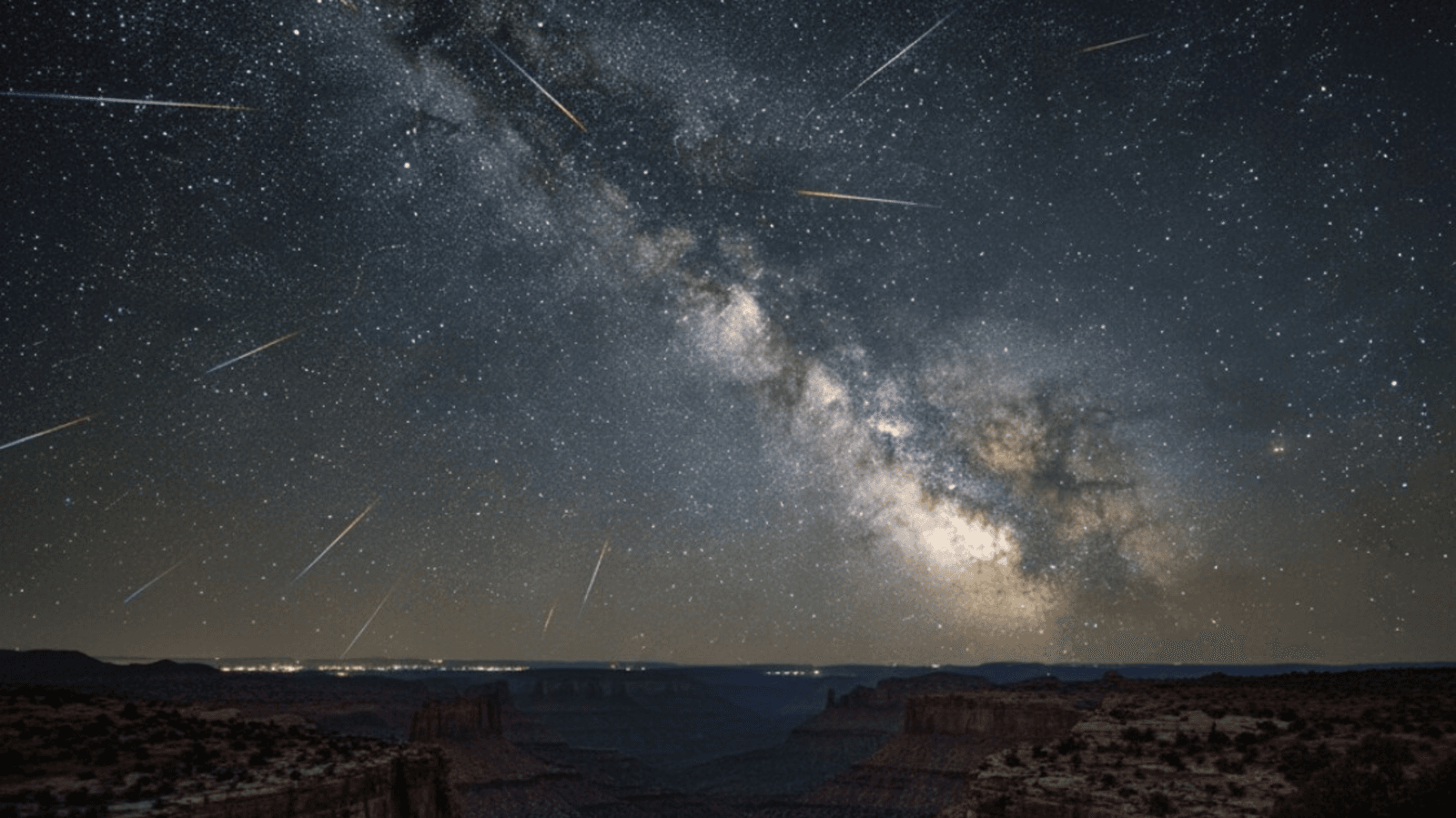
Orionid meteor shower peaks on October 21-22, 2025, visible across the US. Meteors originate from debris of Halley's Comet entering Earth's atmosphere.
6 outlets told this the same way.
Orionid Meteor Shower Details
The Orionid meteor shower, linked to debris from Halley’s Comet, is reaching its peak and will illuminate U.S. skies in the pre-dawn hours. This occurs when the Orion constellation climbs high, allowing meteors to streak across the sky. Prime viewing times are generally agreed to be after about 1:00 a.m. until dawn.
“The Orionid meteor shower peaks tonight, October 20-21, 2025, offering an excellent viewing opportunity across the US.”
The meteors appear to radiate from the Orion constellation but can be seen throughout the sky. Expected meteor rates vary by source, ranging from roughly 10–20 to 15–20 meteors per hour under dark skies.
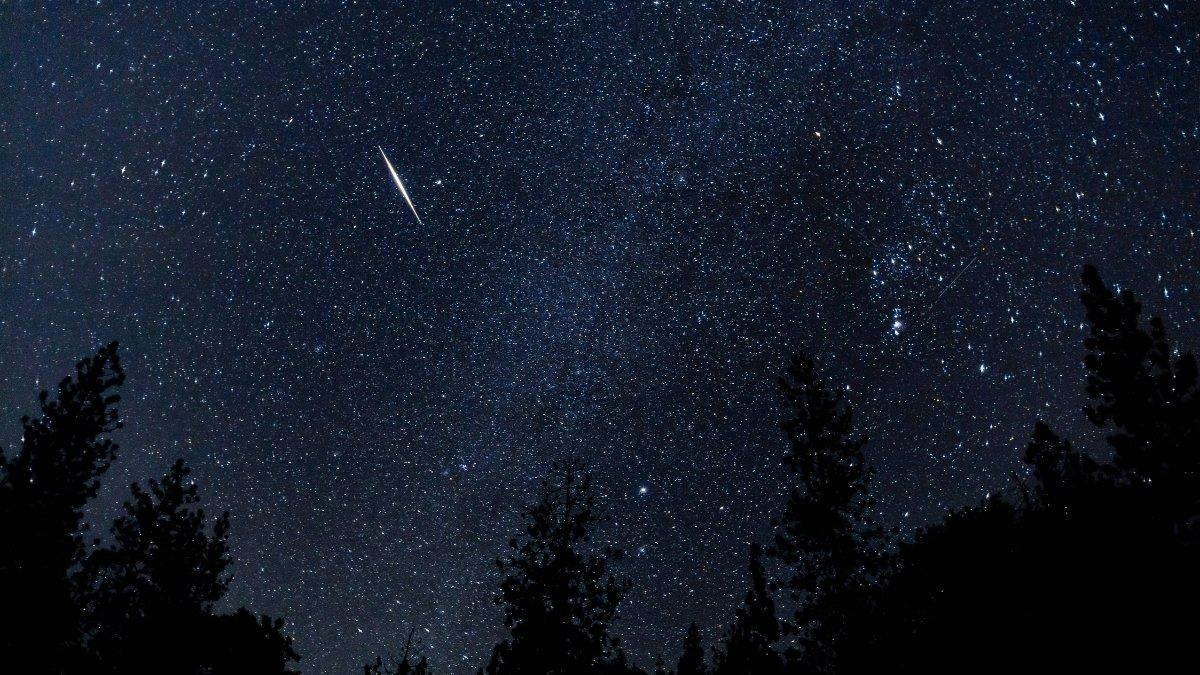
Some historical events have recorded meteor bursts well above these rates. The shower is not only visible in the U.S. but can also be observed worldwide from both hemispheres under clear, dark conditions.
Tips for Meteor Viewing
For the best experience, multiple sources advise heading to dark locations away from city lights. It is important to give your eyes time to adjust and watch in the hours after 1 a.m. as Orion rises. Practical guidance differs in emphasis: some suggest looking 45–90 degrees away from the radiant for more meteors.
Others simply stress patience and wide-sky viewing. U.S. readers receive additional, concrete help from a list of renowned dark-sky parks across several states. These parks offer some of the country’s darkest skies.
Orionids Meteor Shower Details
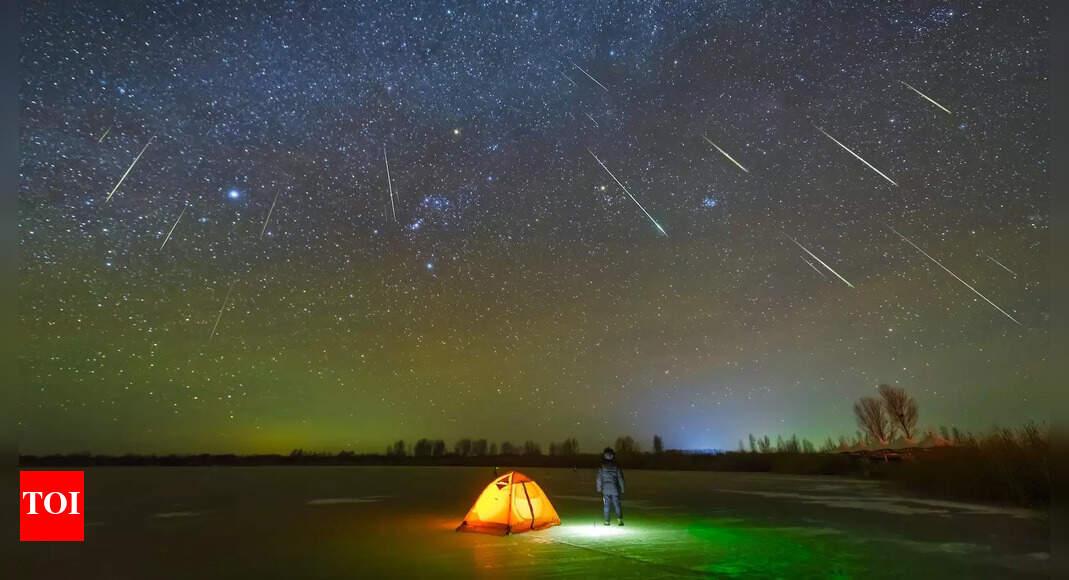
Sources generally agree that the Orionids will produce roughly a dozen or two swift meteors per hour under dark, rural conditions. Some meteors may leave brief luminous trails as they streak across the sky. Historical records indicate occasional outbursts that far exceeded the typical meteor rates.
“Under dark rural skies, observers can expect 15-20 meteors per hour, with occasional historical bursts reaching up to 50-75 meteors.”
The shower's activity lasts for several weeks around the peak night. This extended period provides additional opportunities to observe the meteors if clouds obstruct the view on the main night.
Viewing Orion in the U.S.
If you’re in the U.S., east‑facing views after 1 a.m. will help as Orion rises. Several top‑tier U.S. dark‑sky parks offer ideal conditions for viewing. Guidance is consistent on avoiding city lights and letting your eyes adjust.
No telescopes are required to enjoy the view. Note, however, that sources differ on the exact peak night by a day.
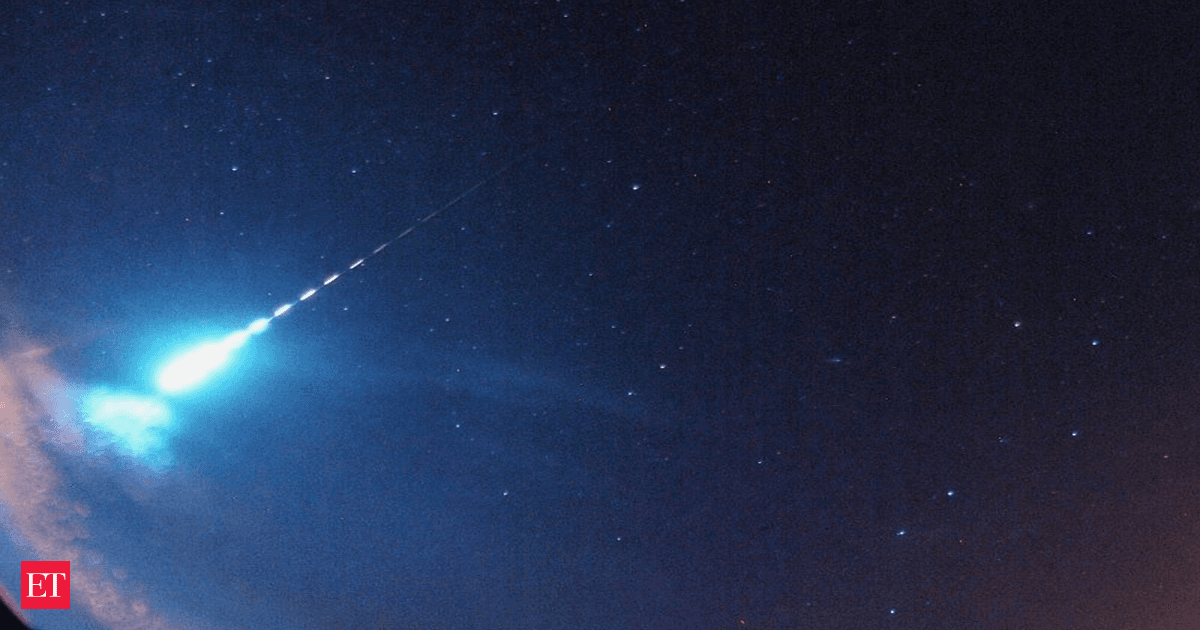
Conditions on both adjacent nights may be rewarding. Some outlets offer no additional details at all.