Technology and Science13 August, 20262 min read
U.S. Power Sector Adds 368 Utility-Scale Plants, Led by Solar and SunZia Wind South
This article is an automated aggregation of coverage from news outlets. Our editorials offer in-depth analysis curated by the NewsCord team.
368 utility-scale plants began operation in the U.S. from January to June. Solar projects dominated new capacity, including the SunZia Wind South.

US grid and new capacity
The U.S. power sector added new generating projects in the first half of the year, with a list of 368 utility-scale plants that began operation from January to June, according to data from the U.S. Energy Information Administration.
That completions list was dominated by utility-scale solar, and it was led by SunZia Wind South and SunZia Wind North in New Mexico, which went online this spring and have a combined generating capacity of 3,650 megawatts.
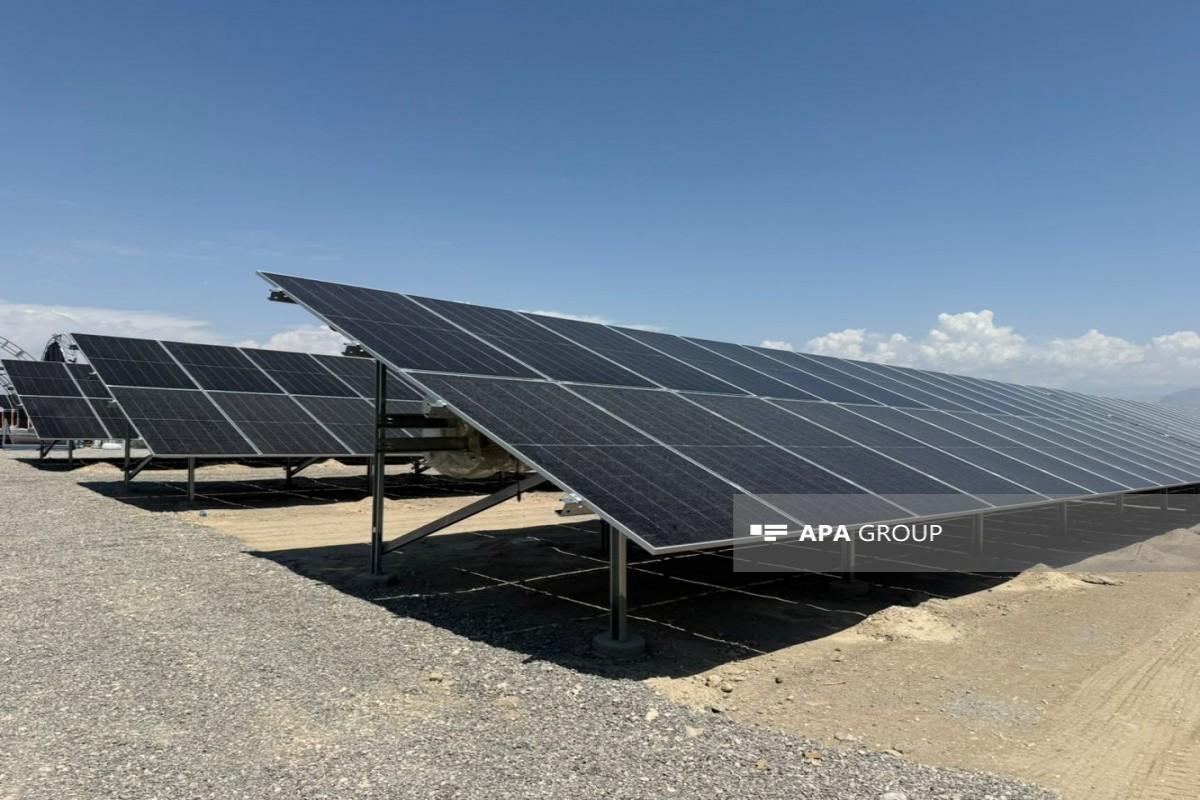
In the same period, utility-scale solar led in the number of projects coming online with 207, followed by batteries with 95, while combined-cycle natural gas had just 3 projects that went online.
The grid context for those additions is PJM Interconnection’s interconnection backlog, after PJM “effectively stopped reviewing new applicants in 2022 while it processed the backlog and underwent a series of reforms.”
PJM reopens the queue
PJM Interconnection said it will begin processing new power plant applications this week after working through a years-long backlog of projects, and it controls the flow of electricity on transmission lines across 13 Midwest and Mid-Atlantic states. PJM said it began accepting new power plant applications to connect to the grid several months ago, with Monday as the final day for submissions, and the grid received more than 800 new project applications under its newly reformed interconnection process.
Among the project types PJM listed, 349 were battery storage, 157 were natural gas-fired power plants, 142 were solar farms, and 65 were wind farms, while 45 were solar-storage hybrids and 45 included nuclear energy. Interim President and CEO David Mills said, “We are encouraged by the diversity of generation types that are seeking to join the PJM generation fleet,” and he added, “This is good news because we need all the generation we can get.”
Data centers drive on-site power
Beyond the grid queue, the energy buildout is also shaped by data centers, and El Periódico de la Energía reported that Amazon is investing in a natural gas-fired power plant linked to a huge data center in Texas known as GW Ranch. The facility is located in Pecos County in West Texas and received from state authorities a permit to emit up to 33 million tons of CO2 per year, while it will use 35 natural gas turbines to generate up to 7.65 gigawatts for Amazon’s data center.
Amazon spokesperson Margaret Callahan said the plant “should prevent an increase in Texas households’ electricity bills,” and she added that the company is studying the incorporation of solar energy and battery storage at the site. The same report framed the shift as a response to the AI data center boom and the difficulties of connecting to traditional utilities, saying data center developers are increasingly opting to build their own generation plants on site, and that natural gas is often the quickest option to deploy.
 El Periódico de la Energía