Techonology and Science20 October, 20252 min read
World-First Bionic Eye Implant Restores Reading Vision to Blind Patient
This article is an automated aggregation of coverage from news outlets. Our editorials offer in-depth analysis curated by the NewsCord team.
A 2mm by 2mm photovoltaic microchip implant restores reading vision in blind patients. The implant is fitted beneath the retina and works with special glasses capturing images.
8 outlets told this the same way.
Retinal Chip Restores Vision
Surgeons at Moorfields Eye Hospital implanted a tiny retinal chip that restored reading vision to blind patients.
“A groundbreaking eye implant developed under the leadership of Mr. Mahi Muqit at Moorfields Eye Hospital has enabled blind patients to regain their ability to read.”
One named patient, Ms. Sheila Irvine, is now able to see letters again and read after years of blindness.

Reports describe the procedure and results as a groundbreaking advance and a new era in artificial vision.
Clinicians say the chip enables meaningful central vision and practical reading of letters, words, and numbers.
Multiple outlets highlight the same core outcome: patients previously unable to read can now read text and even small print through previously blind eyes.
Retinal Implant and Vision Aid
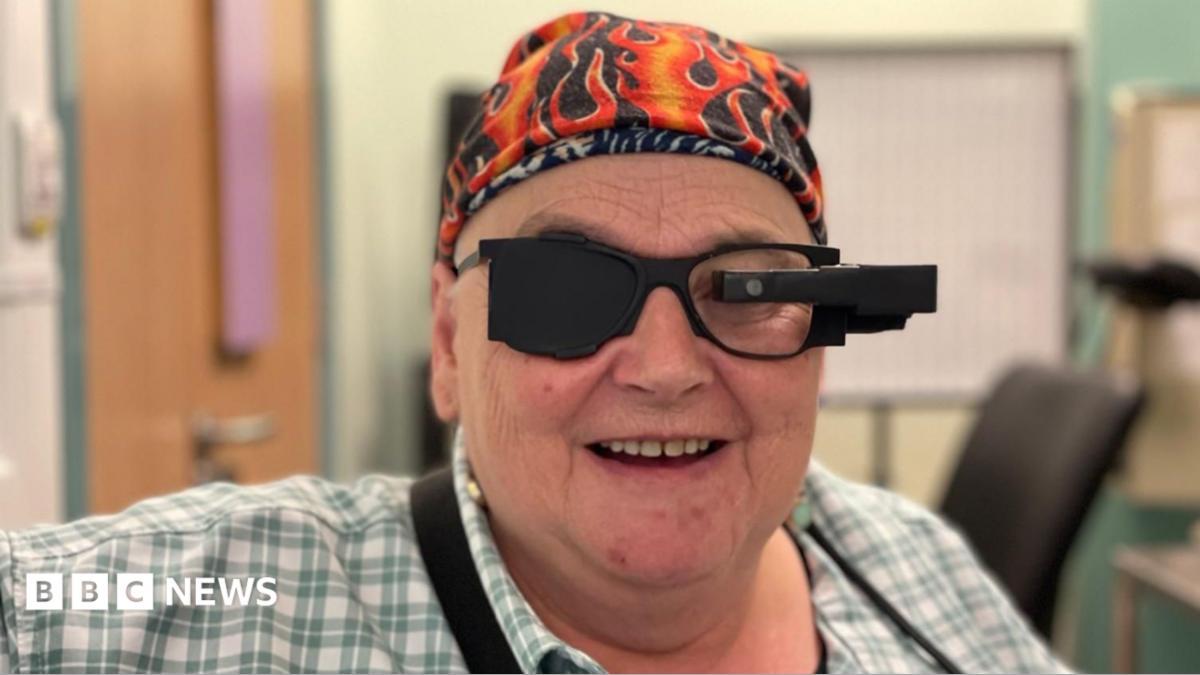
The implant is described as a 2mm photovoltaic microchip placed beneath the retina that works with special or augmented-reality glasses carrying a miniature video camera. Images are transmitted via infrared to the chip, which stimulates the retina to send signals to the brain. Reports consistently stress the synergy of the implant and wearable optics and computing devices—glasses, a camera, and a small computer—producing functional central vision for tasks like reading.
Vision Restoration Clinical Results
Clinical evidence reported across outlets shows substantial restoration of central vision. Greatreporter cites international trials across five European countries with over 80% of participants regaining meaningful central vision to read letters, words, and numbers.
“Results from the international study show that over 80% of participants regained meaningful central vision, allowing them to read letters, words, and numbers after years of blindness.”
The Independent and The Herald both point to New England Journal of Medicine data showing 84% could read text, with many reading five lines on a chart after being unable to see it at all beforehand. Locally at Moorfields, LBC notes five patients regained the ability to read, aligning with the broader efficacy signals.
Restoring Vision Through Technology
Patients’ lived experiences highlight the significant impact of the new technology.
Sky News reports that Ms. Irvine felt “no pain” and described it as “exciting” to see her first letter.

Greatreporter notes that Sheila Irvine can now “read mail and complete puzzles again.”
LBC mentions that some patients are able to “complete crosswords and read small print on prescription labels.”
Clinicians quoted by Sky News and The Herald describe this development as a “new era” in artificial vision.
They emphasize that it delivers meaningful central vision restoration and improves daily functioning.
Innovative Medical Procedure Adoption
Experts describe the innovation as scalable and potentially available through the NHS. The Independent calls it a “paradigm shift” and expresses optimism about access. LBC describes the development as a “life-changing breakthrough” that could be widely adopted by NHS services.
Greatreporter places the work within multinational trials conducted in five European countries. The Herald provides timing context, noting that surgeons performed the procedure about three years ago. This indicates a progression from early operations to peer-reviewed outcomes.
