Technology and Science · updated 2h ago · 2 min read
Bangkok Governor Declares Disaster-Affected Zone After 300mm Rain Submerges Roads
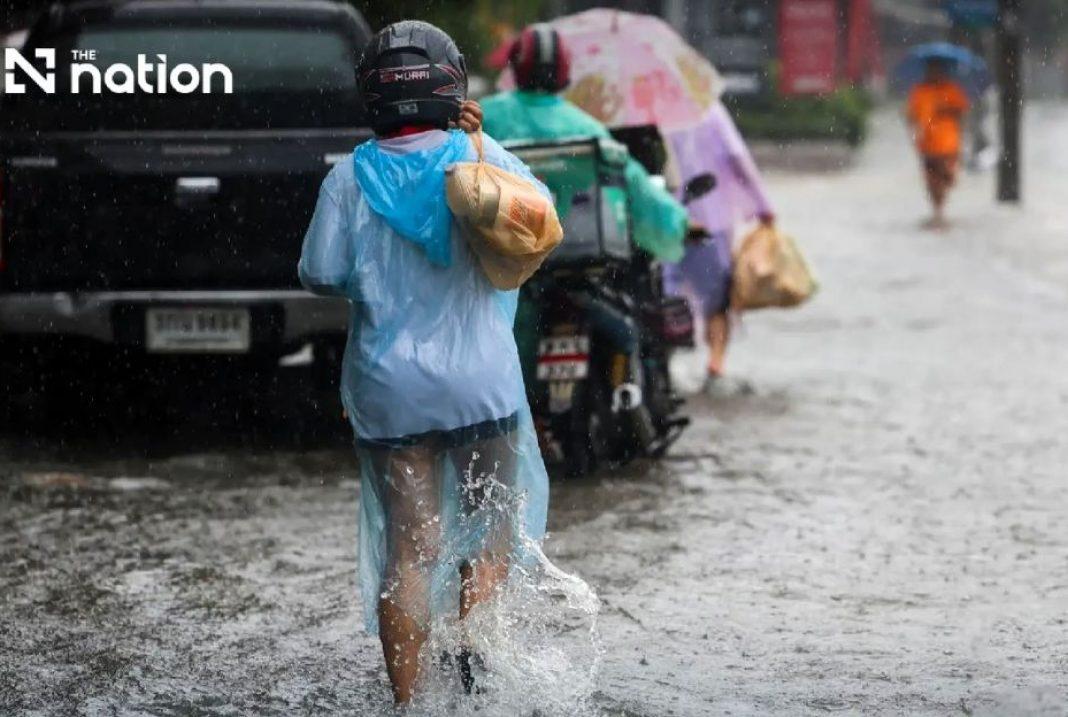
Bangkok declared a disaster-affected zone after nearly 300 mm of rain in 48 hours. City roads submerged with water up to waist in some areas.
14 outlets told this the same way.
7 of 8 outlets skipped it: prime Minister chaired an emergency teleconference from London.
14outlets compared
48 Hours of Rain
Bangkok’s governor declared the Thai capital a disaster-affected zone after a weekend of intense rainfall, and CNN said people in the hardest-hit areas received emergency support including shelters, food and water, and medical supplies.
“The water keeps coming in. It's hard to go out now.”
The Bangkok Metropolitan Authority said roads submerged as more than 300mm of rain fell since Thursday, and the BBC reported that canal water levels remained high even after the rains subsided.
An active cell of low pressure across central Thailand brought continuous heavy rainfall and thunderstorms to Bangkok and surrounding regions, and a weather station near Prachin Buri recorded 213.5mm within a 24-hour period between Friday and Saturday evening.
The low-pressure cell remained roughly in situ for most of the following two days, allowing unrelenting downpours over Bangkok and nearby areas.
Somkid Pheuk-ngam, a 67-year-old near a canal just north of central Bangkok, said, "The water keeps coming in. It's hard to go out now."
Disaster Response and Disruption
Bangkok’s Metropolitan Authority declared emergency zones across all 50 of the city’s districts, and the BBC said people were urged to stay at home and those living close to the city’s network of canals were advised to move belongings to upper floors. Sky News said Bangkok was declared a disaster zone after parts of the Thai capital saw more than 30cm of rain in 48 hours, and it said floodwater blocked roads and stopped traffic. Bangkok declared all 50 districts disaster areas after nearly 300 mm of rain fell across the Thai capital in less than 48 hours, and the disaster declaration expanded as conditions deteriorated.
Bangkok’s main canals reached capacity while pumping stations were pushed to their maximum combined output of 1,200 cubic metres per second. The Thai Meteorological Department warned torrential rain was forecast to continue until Sunday, and emergency warning messages were sent through mobile phones and smart watches.

Why Bangkok Floods
Changes in the monsoon’s torrential rains, Bangkok’s extensive network of canals, and its rapid urban development make the city especially vulnerable to floods, as authorities kept disaster status in effect for the 50 districts. Bangkok sits at the mouth of the Chao Phraya, and the capital must manage not only rain falling on the city but also the river’s volume. City hall data described tidal influence that can raise the level of the Chao Phraya and cause overflows, and Bangkok uses dikes, a system of gates, and pumping stations to regulate water entry and exit.
The Thai Meteorological Department reported the rains were due to a low-pressure system in the central plain, Bangkok, and surrounding provinces, and the rains were expected to continue through Sunday. Bangkok schools remained closed and residents were asked to work from home as much as possible, while government spokesman Ekkapob Pianpises told a press conference, “Some areas of Bangkok continue to experience a high water level.”