Iran · updated 45m ago · 2 min read
Iran’s Abbas Araghchi Says Iran Delivered Proposal To Reopen Hormuz Within Seven Days
Iran delivered a seven-day proposal to the U.S. to reopen Hormuz and end the war. The plan envisions a phased deal with sanctions relief and blockade removal in exchange.
Whether the UN speech is read mainly as threat or election messaging.
3 of 4 outlets skipped it: iran warned it could open a new front in Yemen.
Al Jazeera was read line by line by the Watchdog: 2.2. See the score →
25outlets compared
Same story, two versions
tap a side to read it in full
BBC
“remarks that sounded more pitched to voters the US midterms than the diplomats in the hall.”Read the original ↗
Al Jazeera emphasises annihilation and Iranian military “crushing” readiness, while the BBC foregrounds the UN speech’s domestic-election tone.
Seven days, Hormuz talks
Iran’s foreign minister Abbas Araghchi said Iran delivered a proposal to U.S. officials that would reopen the Strait of Hormuz and restart talks over ending the broader war within seven days. Iran’s President Masoud Pezeshkian told the United Nations General Assembly that “Iran must be powerful so as to avoid being threatened, to avoid its future being threatened,” while he also said “We are ready for dialogue and diplomacy and negotiations without accepting the language of force.” Iran’s proposal tied the reopening of Hormuz to restarting negotiations, and Araghchi said it was similar to the memorandum of understanding agreed upon in June.
The Washington Post reported that Tehran interpreted the June memorandum as giving Iran control over the strait, while the United States and its allies in the region rejected that condition. The Washington Post also said it was unclear whether the Iranian proposal would meet current U.S. demands to end the war, as the Iranian delegation walked out of the chamber.
Conditions, threats, and leverage
Iran’s President Masoud Pezeshkian told Fox News that the United States has to decide whether it wants to end the war on Iran, and he said, “When we can resolve problems through dialogue, we should not resort to killing each other.” Iran’s President Masoud Pezeshkian also said, “But with the instigations led by Israel, they imposed this war on us,” as he framed Tehran’s position as not wanting to continue fighting. A Reuters report described the negotiations as exploring a phased path in which Tehran would reopen the Hormuz Strait in exchange for Washington lifting its economic siege on Iran, with neither side wanting to be first to relinquish leverage.
Reuters reported that a senior Iranian official said, “One of the possible paths is to resolve the crisis in stages, with the first phase ending the siege and reopening Hormuz.” Reuters said the main hurdle was ensuring concessions were trusted enough for both sides to implement them, while the report also said Trump believed a deal could come after the midterm elections scheduled for November 3.

Congress, oil prices, and risk
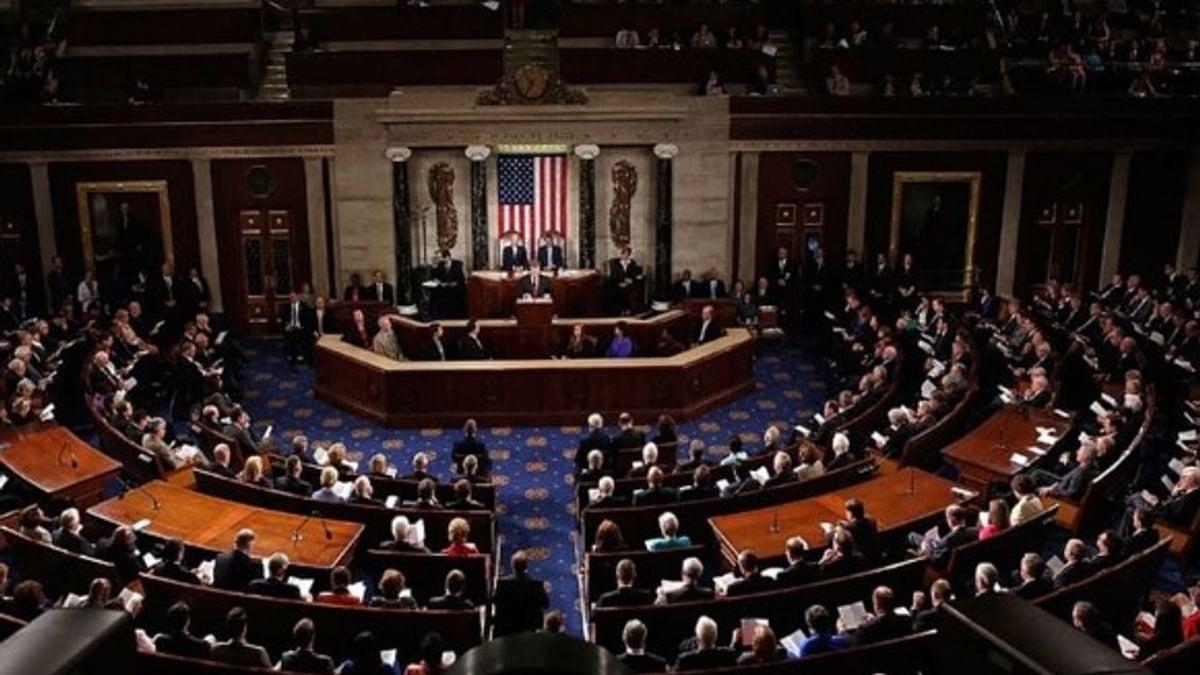
The U.S. Senate narrowly voted down a resolution demanding an end to the U.S. war with Iran, with the chamber voting 49-50 on Thursday.
CNBC reported that the resolution would have directed Trump to remove U.S. troops from hostilities in Iran unless Congress explicitly approves the war, and it said the White House effectively ignored prior votes.
CBS News reported that Brent crude was trading over $105 a barrel again Thursday as the United Nations General Assembly brought little evidence of progress toward a peace deal.
CBS News also reported that a senior adviser to Iran’s supreme leader warned that Iranian forces and their Houthi allies in Yemen could respond to any new U.S. attacks by opening “a new front” targeting energy supplies in the Red Sea.
Reuters-linked reporting said the dispute over the Strait of Hormuz centered on leverage, with a Reuters-cited senior Iranian official warning, “Our fingers are on the trigger,” as diplomacy faced slim prospects.