Protests29 October, 20252 min read
Moroccan Government Arrests and Charges Over 2,400 Youth Protesters in Brutal Crackdown
This article is an automated aggregation of coverage from news outlets. Our editorials offer in-depth analysis curated by the NewsCord team.
Morocco charged over 2,400 youth protesters with serious criminal offenses. Approximately 1,473 detainees remain in custody awaiting trial.

5 outlets told this the same way.
Morocco Gen Z 212 Protests
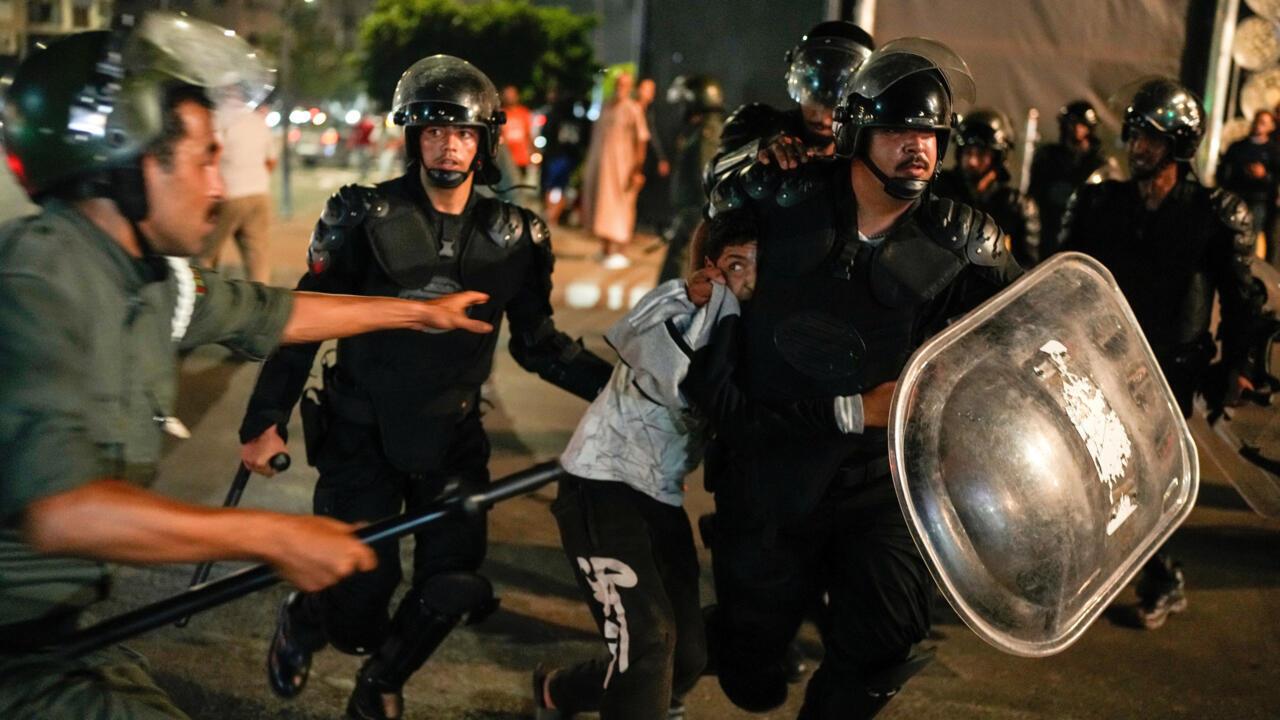
Morocco has charged over 2,400 people following youth-led Gen Z 212 protests. The protests criticized the government’s focus on spending for sporting-event infrastructure instead of public services. Organizers called for peaceful demonstrations, but some protests turned violent.
“Morocco has charged over 2,400 people following recent youth-led protests that escalated into violence, marking one of the country’s largest anti-government demonstrations in years.”
The unrest resulted in three deaths, injuries, and property damage. Human rights groups have condemned what they describe as a heavy-handed crackdown. Authorities continue prosecuting large numbers of activists involved in the protests.

Media coverage highlights both the scale of the arrests and the importance of the protests. Some reports note that demonstrations have largely subsided, though public dissent remains. Calls for the release of detainees continue despite the decrease in protest activity.
Protests and Detention Overview
Detention figures and charges vary slightly by report. Roughly 1,473 to nearly 1,500 remain in custody on serious counts such as armed or group rebellion and incitement. Some outlets also cite assault on law enforcement as a charge.
All sources agree on the unprecedented scale of prosecutions, though the exact charge labels and in-custody counts differ by outlet. Across coverage, both the role of Gen Z 212 and the protests’ initial intent to be peaceful are noted. Authorities continue to pursue felony-level cases despite the protests' peaceful beginnings.
Reporting on Legal Penalties
Penalties and legal outcomes are reported differently by various news outlets. The Killeen Daily Herald and Washington Examiner state that sentences range from one to 15 years and note completed convictions. CNN reports that some accused face up to five years, focusing on potential penalties for those still awaiting trial.
“Courts have sentenced over 400 protesters to prison terms ranging from one to 15 years, though 34 have been acquitted.”
The Washington Examiner uniquely mentions that 3,300 protesters have been released from custody. It also quotes a magistrate who denies coerced confessions and asserts that the legal process is fair. Other outlets emphasize human rights criticism and highlight ongoing detention.
Media Coverage of Arrests and Unrest
Criticism from rights groups is prominent across mainstream and local reporting, which describe the arrests as excessive and the crackdown as heavy-handed. By contrast, officials insist the actions were legal and the process fair. Both CNN and The Killeen Daily Herald report three deaths during unrest that began as peaceful.
Washington Examiner focuses on the judicial narrative without noting fatalities. The inclusion of politically charged figures, like rapper Hamza Raid, underscores the political dimension and the chilling effect on dissent noted by multiple outlets.

Political Crackdown and Reactions
All outlets agree the crackdown has intensified political tensions. CNN and The Killeen Daily Herald say the arrests have fueled public dissent and demands for releases.
“The crackdown has further fueled public dissent and calls for the release of detainees.”
The Washington Examiner emphasizes that protests have subsided amid prosecutions and large-scale releases. Across sources, the core dispute remains whether the response constitutes an arbitrary and heavy-handed suppression of dissent, as rights groups argue, or a lawful, fair judicial process, as officials assert.