Technology and Science13 August, 20263 min read
Nigerian Delegates Led by Etim William Push for Legally Binding Drought Protocol at UNCCD COP17 in Mongolia
This article is an automated aggregation of coverage from news outlets. Our editorials offer in-depth analysis curated by the NewsCord team.
Nigerian delegates push for legally binding drought instrument and increased financing at COP17. COP17 in Mongolia aims to tackle desertification amid global drought, per Climate Home.

COP17 Drought Demands
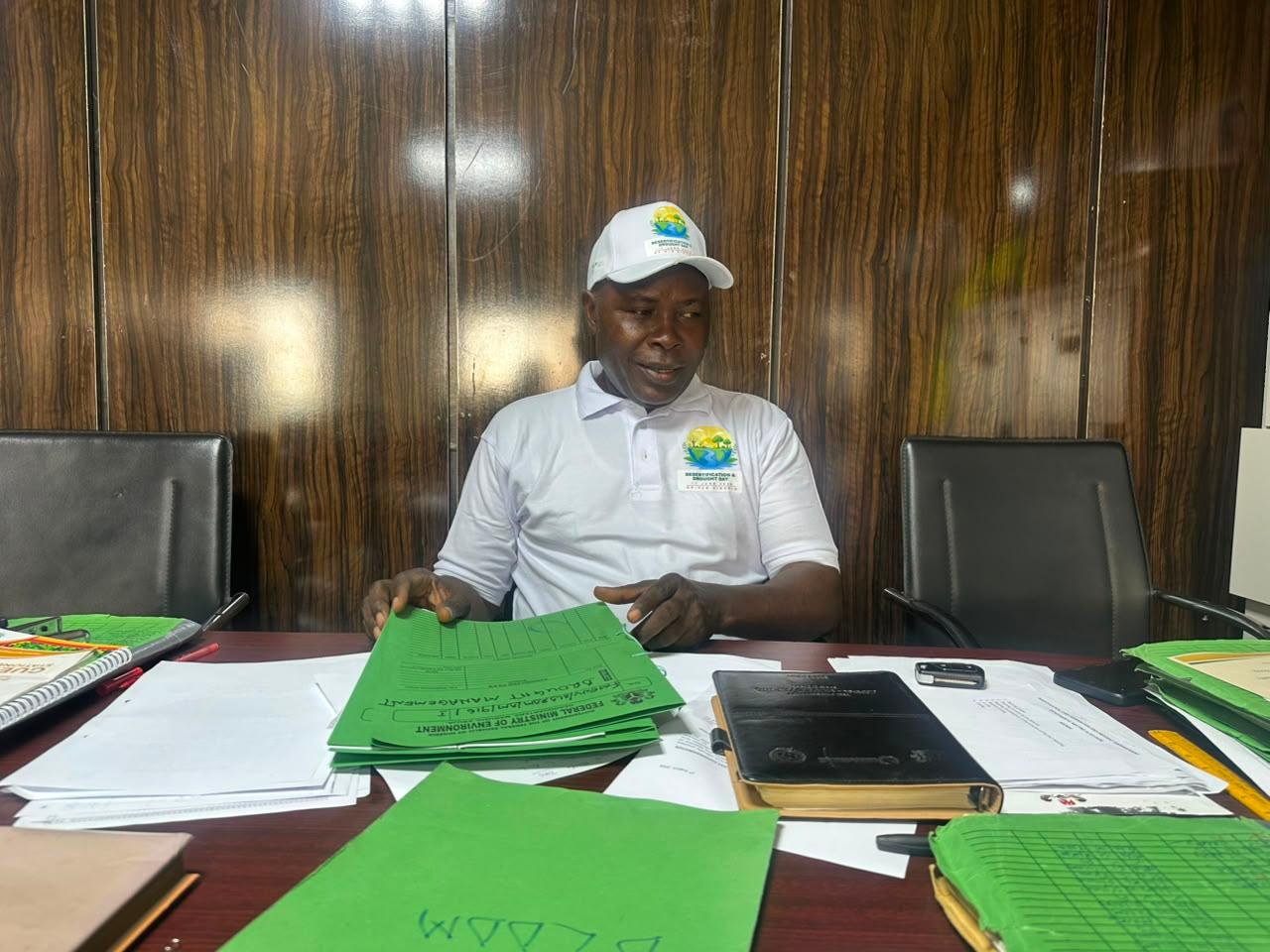
Nigerian delegates, led by Etim William, director of the desertification, land degradation and drought management department of the Federal Ministry of Environment in Abuja, will push at the 17th session of the United Nations Convention to Combat Desertification (UNCCD COP17) in Mongolia for “the establishment of a legally binding instrument on drought management and increased financing.”
William, who said he is also the UNCCD focal point for the Nigerian government, told PREMIUM TIMES, “Nigeria, alongside other African countries, wants to push for a legally binding instrument on drought management.”
He said the proposed instrument would “essentially establish a protocol for managing drought,” and he linked the push to finance needs, saying, “We need to push for more financial support to meet our national needs and fund our National Adaptation Plan.”
The conference is set to be hosted by Mongolia in its capital, Ulaanbaatar, from 17 to 28 August under the theme “Restoring Land. Restoring Hope.”
The UNCCD Data Dashboard figures cited in the interview put Nigeria’s degraded land at roughly 23.41 per cent, or 21.07 million hectares, of its total land area as degraded.
Saudi Hands Over Presidency
Saudi Arabia will hand over the COP presidency to Mongolia at COP17 on Monday, concluding a term marked by initiatives following COP16 in Riyadh, according to the Saudi Gazette. The Saudi Gazette says the conference, held from August 17 to 28, will feature progress highlighted during the presidency, including the Riyadh Global Drought Resilience Partnership (RGDRP) and the Riyadh Action Agenda, which expanded from 35 to more than 100 initiatives. It also says Saudi Arabia will showcase the International Initiative for Early Warning for Sand and Dust Storms and the Business4Land initiative, and it will operate a national pavilion in the Blue Zone featuring more than 40 side events.
The Kingdom hosted COP16 in Riyadh in December 2024, described as the largest session in the convention’s history with 197 parties — 196 countries and the European Union — and the conference adopted 39 decisions and mobilized more than $12 billion. In the same framing, عاجل says the Kingdom will participate next Monday in the seventeenth session hosted by the Republic of Mongolia from August 17 to 28, 2026, and will hand over the presidency to Mongolia after the Riyadh COP16 period.
Negotiations and What’s at Risk
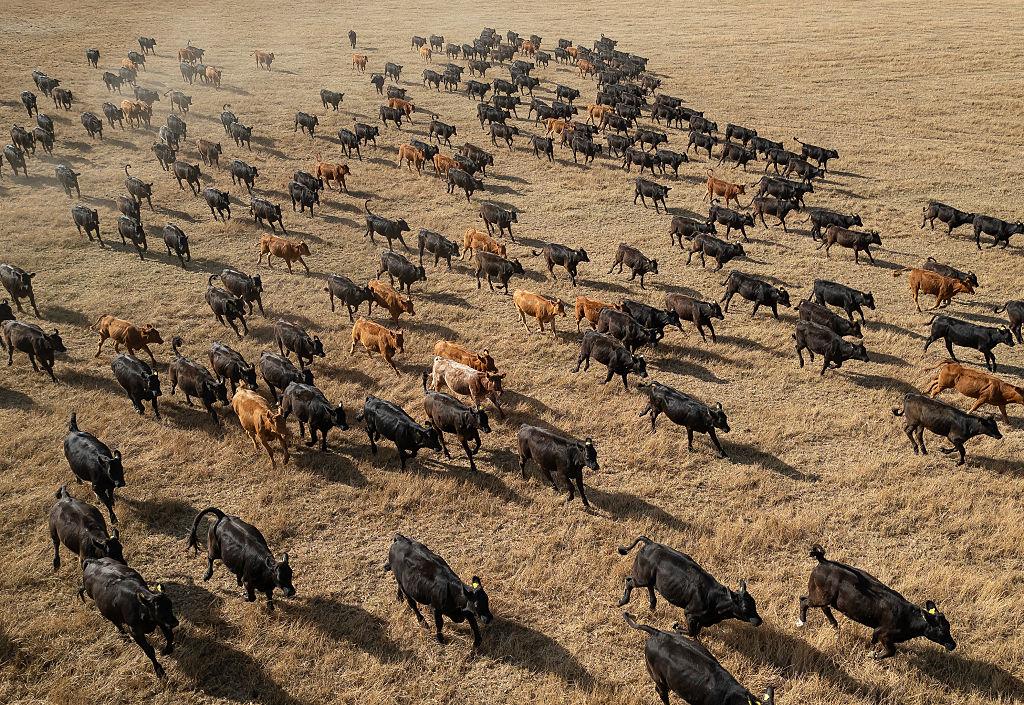
Climate Home News describes COP17 as the UNCCD conference of parties, saying COP17 will be its seventeenth gathering and that the UNCCD COP happens only once every two years. It frames the central negotiation as what form a new initiative to tackle drought could take, noting that “The last COP saw Africa push hard for this to be a protocol” while the US, Europe, Argentina and others preferred “a legally weaker alternative - a framework instead of a protocol.” The outlet also says negotiations went late into the last night of talks in Riyadh, with the Saudis hosting informal consultations, before governments had to agree to disagree and pick up talks.
In the same story, Climate Home News cites UN estimates that “half a billion people live within areas that have experienced desertification since the 1980s” and that “two-fifths of the world's land is degraded.” It adds that COP17 is expected to gather “about 10,000 government negotiators, scientists, journalists and campaigners” in Ulaanbaatar to discuss how to stop land turning into desert as the world warms.