India01 November, 20252 min read
Pakistan Issues Over 2,100 Visas to Indian Sikhs After May Conflict Freeze
This article is an automated aggregation of coverage from news outlets. Our editorials offer in-depth analysis curated by the NewsCord team.
Pakistan issued over 2,100 visas to Indian Sikh pilgrims for Guru Nanak birth celebrations This visa issuance is the first major travel allowance after May conflict freeze
5 outlets told this the same way.
Outlets did split on Three Indians Rescued From MV Royad Mammadov Attack Depart Romania For India →
India-Pakistan Sikh Pilgrimage
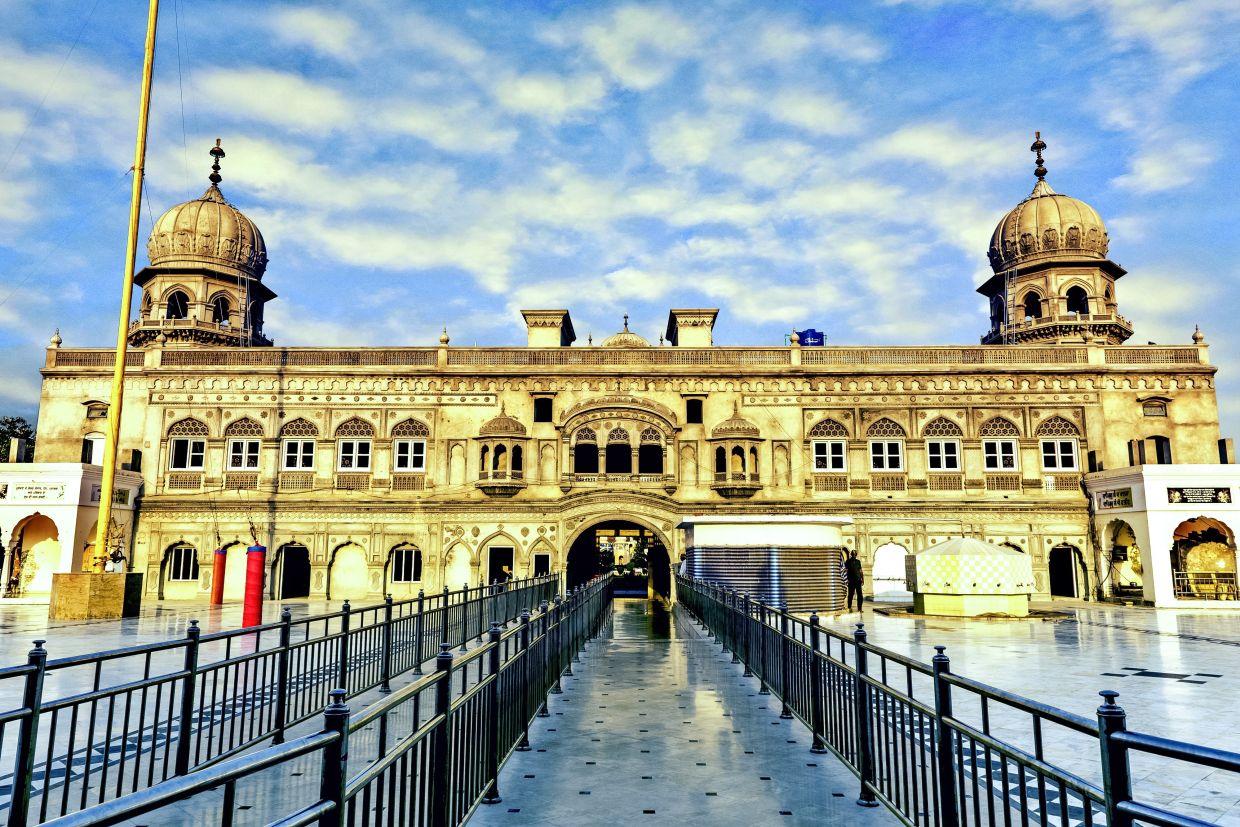
Pakistan’s decision to allow Indian Sikh pilgrims this November blends cautious diplomacy with religious access. Pakistan’s High Commission in New Delhi issued over 2,100 visas to Indian Sikh pilgrims for the birth anniversary celebrations of Baba Guru Nanak Dev Ji, scheduled from November 4 to 13.
“Recently, the Pakistan High Commission issued over 2,100 visas to Indian Sikh pilgrims for the birth anniversary celebrations of Baba Guru Nanak Dev Ji, scheduled from November 4 to 13 in Pakistan.”
India separately approved a 10-day pilgrimage to Pakistan starting November 4, allowing 2,185 Sikh pilgrims to visit sacred sites, including Guru Nanak Dev's birthplace in Nankana Sahib. This move proceeds despite tensions between India and Pakistan that have resulted in over 70 deaths from missile, drone, and artillery exchanges.

Visa Access Amid Border Tensions
The visas come against a hard-security backdrop. The Attari-Wagah land border has been closed to general traffic since May amid missile, drone, and artillery exchanges. This closure followed India accusing Pakistan of backing an April attack in Indian-administered Kashmir, allegations Pakistan denies.
Despite these tensions, Pakistan highlights institutional pathways for religious access. The Kartarpur Corridor was established under a 1974 bilateral protocol and opened in 2019 to promote inter-religious and cultural harmony.

Indian reporting underscores the historic legal basis enabling such visits under the 1950 Nehru-Liaquat Pact. There is an exception for Sikh pilgrims despite broader visa curbs.
India-Pakistan Sikh Pilgrimage Approval
New Delhi’s decision-making is presented as a reversal under security pressure. Hindustan Times reports the government reversed an earlier refusal due to security concerns after the Pahalgam terror attack. Meanwhile, Pakistan’s High Commission issued over 2,100 visas for the pilgrimage.
“This decision reverses an earlier refusal due to security concerns after the Pahalgam terror attack.”
The celebrations are scheduled from November 4 to 13. The Indian approval authorizes 2,185 Sikh pilgrims on a 10-day pilgrimage to sites including Nankana Sahib. This pilgrimage coincides with Guru Nanak’s birth anniversary despite the wider freeze at the land border.
Pakistan's Security and Rights Issues
The broader Pakistani environment is marked by domestic rights concerns and intense regional security calculations. Journalist violations rose by nearly 60% with 142 documented cases. The amended PECA law faces criticism for being used to suppress dissent.
Pakistan agreed to extend peace negotiations with the Afghan Taliban in Istanbul. Its defense minister issued stern warnings of military retaliation. A local TV channel reported claims of Indian infiltration in the Afghan government.

These conditions form the backdrop to cross-border religious visas. Arab News emphasizes that Pakistan has committed to supporting these visits. Khaleej Times portrays cross-border clashes and the land border freeze.
Religious Visas Amid Border Restrictions
The visas indicate that religious exemptions continue even during a halt in regular cross-border travel. The Attari-Wagah crossing has been closed to general traffic since May, yet Sikh access continues through mechanisms like the Kartarpur Corridor. The Kartarpur Corridor was established under a 1974 bilateral protocol and opened in 2019.
“Consequently, the Attari-Wagah land border crossing between the two countries, located in Punjab, has been closed to general traffic since May.”
Historic agreements also support this access, with India referencing the Nehru-Liaquat Pact that allows Sikh visits to key shrines on four occasions annually. For this event, Pakistan’s high commission issued over 2,100 visas for activities from November 4 to 13.

India authorized 2,185 Sikh pilgrims for a 10-day pilgrimage, highlighting parallel facilitation despite ongoing tensions. These tensions include conflicting claims about the April Kashmir attack, which Pakistan denies.