Technology and Science19 August, 20263 min read
Tropical Warm Pool Warming Sent Moisture to Queen Mary Land, Boosting Antarctica Ice Gain
This article is an automated aggregation of coverage from news outlets. Our editorials offer in-depth analysis curated by the NewsCord team.
Multiyear warming of tropical warm pool temporarily reverses Antarctic mass loss from 2021 to 2023 The reversal linked to warming in the western Pacific and eastern Indian oceans
Ice gain traced to tropics
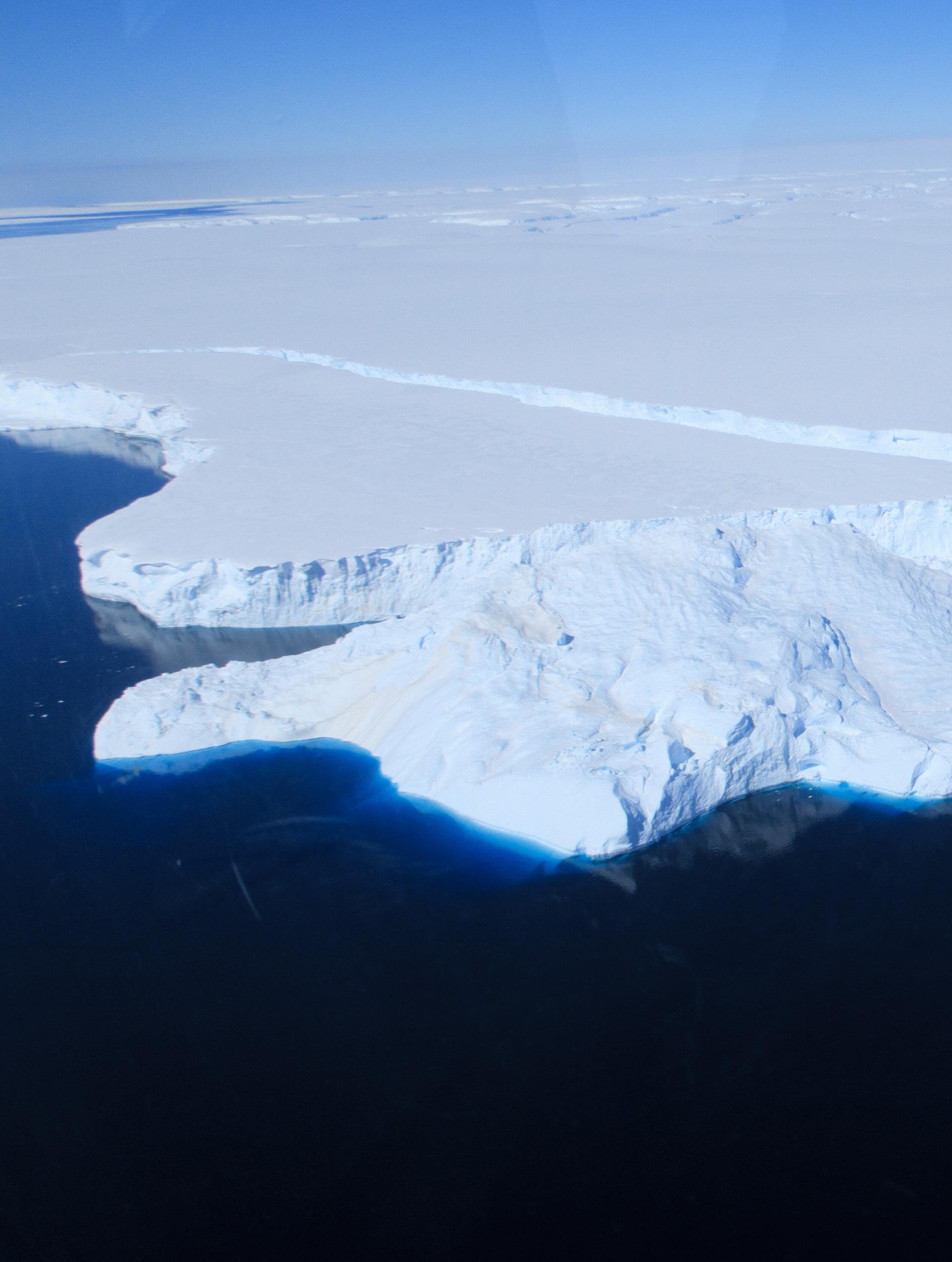
Satellite data show Antarctica’s ice sheet reversed from long-term loss to a large gain between 2021 and 2023, when it gained 695 billion tons, the largest increase on record. The study published in Nature on Wednesday says sustained warming in the tropical warm pool sent large-scale atmospheric waves southward toward Antarctica, carrying unusually large amounts of moisture from the midlatitude Indian Ocean to Queen Mary Land and Wilkes Land in East Antarctica. That moisture produced persistent heavy snowfall, and the research team used satellite measurements of changes in Earth’s gravity, records of snowfall preserved in Antarctic ice cores, and computer simulations of atmospheric circulation.
Wang Yunhe, first author of the study and an associate professor at the Institute of Oceanology of the Chinese Academy of Sciences, said warming events in the tropical warm pool typically develop and persist for two to three years and occur roughly once in a decade. The researchers also found human-induced climate change accounted for only about 9 percent of the increase in snowfall, and Wang said the temporary increase does not alter the Antarctic ice sheet’s long-term trend.
Teleconnection and snowfall mechanism
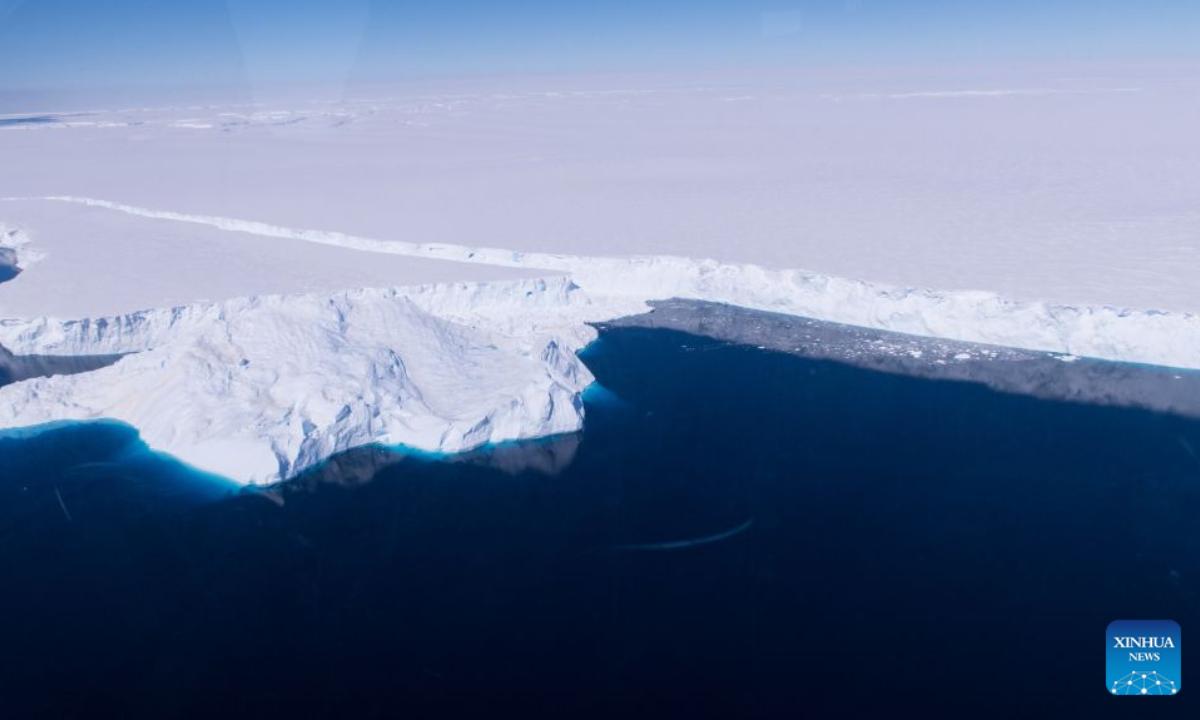
AZERTAC, citing a study by researchers from China, the United States, Japan, Belgium and Hungary, said the Antarctic Ice Sheet gained about 695 billion tones of mass during the period and that it was the largest mass-gain event since the satellite record began in 2003. The study traced the immediate cause to heavy and persistent snowfall over Queen Mary Land-Wilkes Land, while the underlying climate trigger originated thousands of kilometers away in multiyear warming in the tropical warm pool spanning the western Pacific and eastern Indian oceans. Wang Yunhe said the warming set off large-scale waves in the atmosphere that traveled thousands of kilometers toward Antarctica, where the waves changed wind patterns and steered moist air from the mid-latitude Indian Ocean toward Queen Mary Land-Wilkes Land.
Phys.org framed the same Nature results as an anomaly tied to extra-warm tropical ocean temperatures rather than a long-term shift, quoting coauthor Eric Steig saying, "This is most likely a short-lived phenomenon." Phys.org also quoted coauthor Qinghua Ding saying, "Warmer conditions favor storms shifting toward the poles, which could offset ice loss through snowfall," before the paper’s analysis linked the precipitation increase to the tropical warm pool.
What’s at stake next
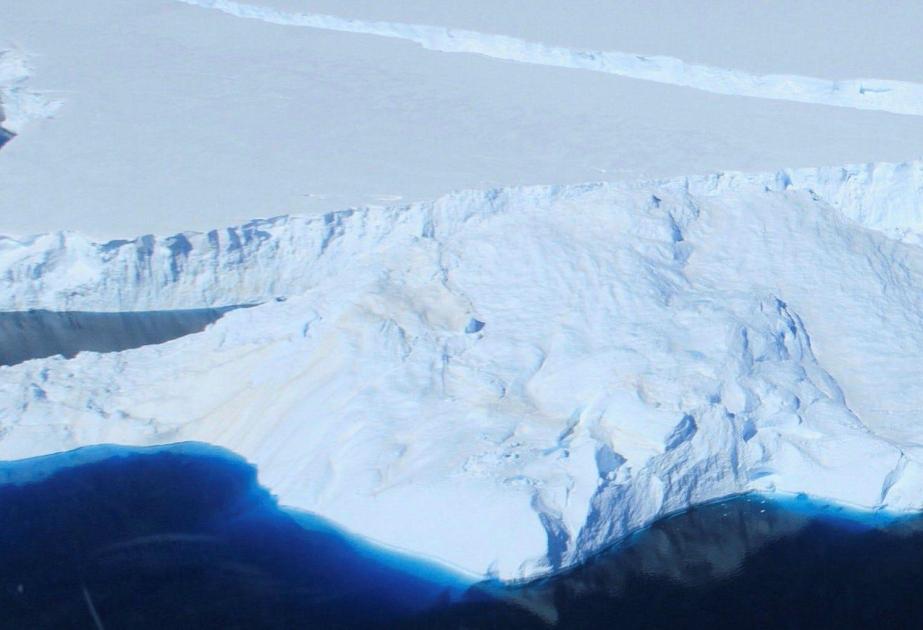
The Nature article excerpt says future global sea-level rise is contingent on the stability of the Antarctic Ice Sheet, which remains the largest source of uncertainty in long-term sea-level projections. It reports that West Antarctica has experienced sustained mass loss estimated at 82 ± 9 Gt yr−1 during 1992–2020, while the East Antarctic Ice Sheet was quasi-balanced over the same period at 3 ± 15 Gt yr−1, with regional exceptions in Wilkes Land and eastern Queen Mary Land. The excerpt adds that enhanced intrusions of modified circumpolar deep water onto the continental shelf have driven ice-shelf basal melt and acceleration of outlet glacier ice flow since the late 20th century in those regions.
Wang Yunhe told Global Times that understanding how Antarctic ice mass changes helps scientists better project sea-level rise, and he said, "More reliable projections can help coastal communities prepare for more frequent flooding and greater storm-surge damage to homes, roads and other infrastructure,". Global Times also reported that the study was published online in Nature on Wednesday and that the episode temporarily interrupted a long-term loss trend that averaged about 140.5 billion tonnes per year from 2003 to 2024.