Technology and Science19 August, 20263 min read
Study Links London ULEZ To Rapid Lung Recovery In Children After 2019 Emissions Cuts
This article is an automated aggregation of coverage from news outlets. Our editorials offer in-depth analysis curated by the NewsCord team.
3,400+ children study links ULEZ pollution cuts to rapid lung growth recovery. Researchers from Queen Mary University of London observed lung development rebound after 2019 ULEZ.

8 outlets told this the same way.
ULEZ and lung recovery
Scientists say London’s Ultra Low Emission Zone (ULEZ) is linked to rapid lung recovery in young children after pollution restrictions came into force where they lived. The findings come from a study tracking more than 3,400 primary school children in London and Luton, with researchers reporting that children whose lung growth had been held back by dirty air showed striking improvement after ULEZ was introduced in 2019 and emissions fell. Researchers say the work offers the strongest evidence yet that local clean air zones can ease some of the damage pollution does during childhood, and that the result matters beyond London as cities from Delhi to Paris have wrestled with how to cut exhaust fumes without crippling daily life.
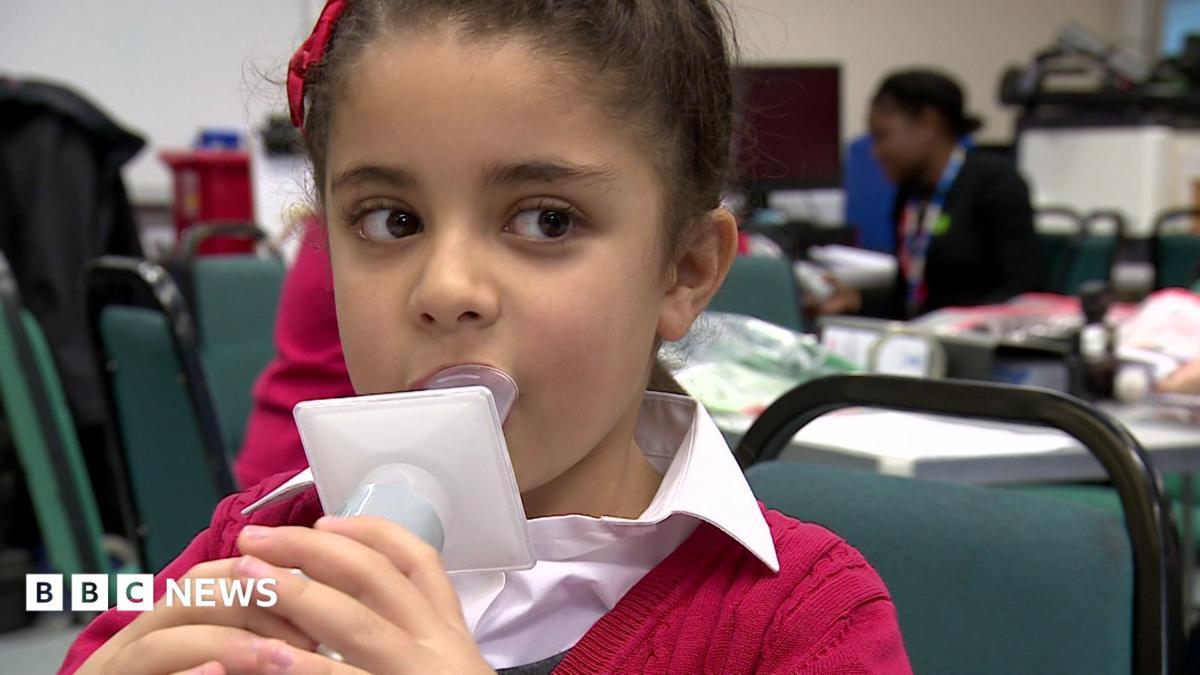
In London, the study followed children aged six to nine at 84 primary schools between 2018 and 2022, with Luton used as a control because it does not have a clean air zone. The BBC reported that researchers found children in London whose lung growth had been stunted by pollution showed impressive improvements after Ulez reduced emissions, and that the lung capacity reached near identical levels in both groups by the end of the study.
Voices, cautions, and politics
Professor Chris Griffiths, a senior author on the study, told the BBC, "I was absolutely stunned when I first saw the results," adding that the speed of catch up in lung capacity in the London group was surprising and impressive. The BBC also quoted Griffiths saying, "This shows an ambitious clean air zone can drive pollution levels down, rapidly restoring children's stunted lung growth," while noting independent researchers urged caution that other factors must also be considered. In the Guardian, the study’s joint senior author Chris Griffiths said, "We provide the strongest evidence yet on how these harms can be prevented," and argued that "Ambitious clean-air zones should be considered a priority for cities globally with traffic-related air pollution."
The Guardian reported that Londoners’ health was explicitly cited by the mayor, Sadiq Khan, to justify the introduction of Ulez in 2019, and it included Khan’s statement that "it’s London’s children who are reaping the rewards." Stephen Burgess, a professor of biostatistics at the University of Cambridge who was not involved in the research, said it was not clear that the changes observed were truly attributable to Ulez, as opposed to other factors such as the impact of the Covid pandemic on pollution levels.

What’s at stake next
The study’s measurements included nitrogen dioxide (NO2) exposure, which researchers said fell twice as fast and twice as much in London than in Luton, and the BBC described how the main test measured how much air a child could forcibly breathe out in one second. The BBC reported that the proportion of children in London whose lung capacity was deemed "clinically impaired" fell from 14% to 9%, while in Luton it fell from 9% to 7%, and it framed the improvements as potentially meaning children could run as fast as the Luton group without getting out of breath. The Guardian said the study was published in the journal Lancet Public Health and quoted the health minister Karin Smyth calling it "a powerful reminder of the impact that air quality has on children’s lung health."
In the JournalArta account, researchers said the findings offer the strongest evidence yet that local clean air zones can ease some of the damage pollution does during childhood, and it added that the next test is whether other clean air schemes can produce the same kind of recovery quickly enough to protect children still growing up beside traffic. The BBC also tied the stakes to a human case, noting that in 2020 Ella Adoo-Kissi-Debrah, a nine-year-old girl from London who died following an asthma attack in 2013, became the first person in the UK to have air pollution listed as a cause of death.