Iran06 September, 20263 min read
United States Strikes Two Iranian Government Tankers Under Tanker-For-Tanker Policy
This article is an automated aggregation of coverage from news outlets. Our editorials offer in-depth analysis curated by the NewsCord team.
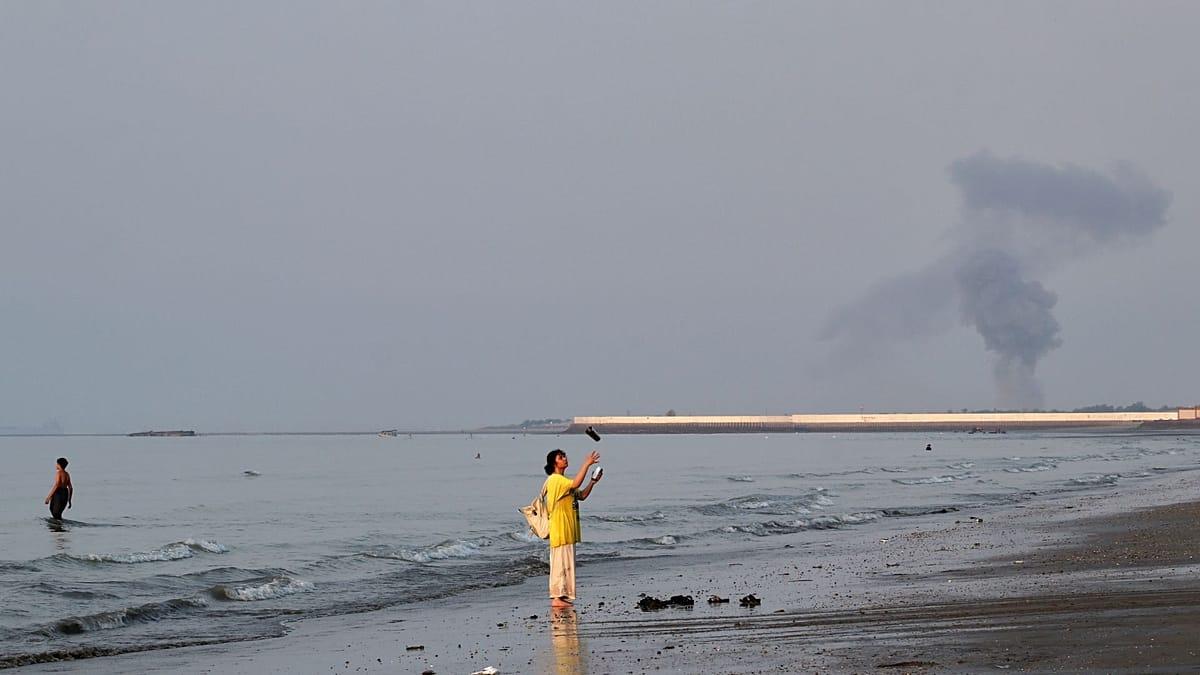
US strikes three Iranian crude oil tankers after IRGC missiles targeted two US Navy ships. CENTCOM says one tanker permanently disabled near Kharg Island and another near Jask.
51 outlets told this the same way.
Outlets did split on Iran’s Pezeshkian Tells Pakistan’s Asim Munir US Must Lift Sanctions Before Talks →
CNN was read line by line by the Watchdog: 5.1. See the score →
Tanker-for-Tanker Strikes
The United States struck two Iranian government tankers as part of its latest wave of attacks on Iran, US officials told Axios, under a new “tanker for tanker” policy intended to deter further Iranian attacks on tankers transiting the Strait of Hormuz.
“‘The U.S. military never targets civilians, unlike the IRGC,’ Hawkins said.”
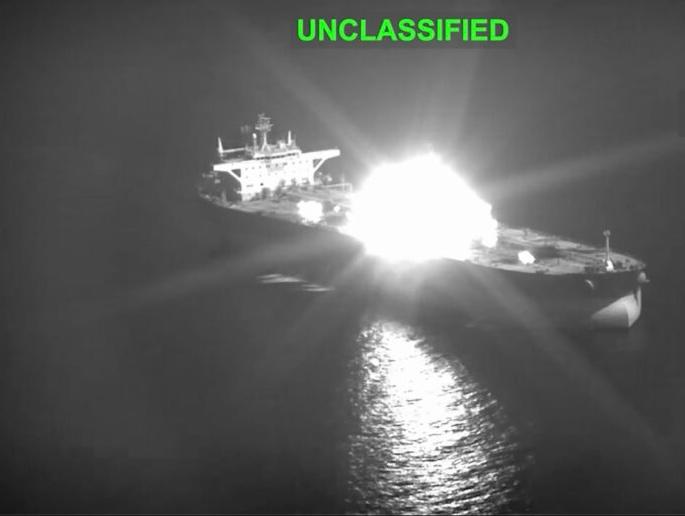
Roya News reported that the strikes came after President Donald Trump approved the policy, with US drones firing missiles at the vessels’ engine rooms while the tankers were reportedly anchored off Iran’s coast, north of the US naval blockade line.

Axios said US officials reported that around 100 targets were hit during Tuesday’s strikes, including Islamic Revolutionary Guard Corps (IRGC) air defense sites, radar systems, mine-laying capabilities, communications facilities, anti-ship cruise missile launchers and attack drone launchers.
Iran responded by launching around 25 ballistic missiles, with only about half reaching Jordanian airspace, and US officials said 10 were intercepted and three landed without causing casualties.
CENTCOM spokesman Capt. Tim Hawkins said the US military was aware of Iranian media reports of a strike hitting a wedding ceremony in Kuhestak, and he said, “The U.S. military never targets civilians, unlike the IRGC.”
Iran Threatens More
Iran threatened “Additional Punitive Measures” as the United States went tanker-for-tanker, with the Maritime Executive describing escalating claims in the Strait of Hormuz and CENTCOM reporting strikes that began late on Tuesday, September 1.
The Maritime Executive said CENTCOM reported it had struck IRGC targets, including air defense sites, radar systems, maritime assets and facilities, mine laying capabilities, and communications sites, while Donald Trump wrote online, “I’m not trying to force Iran to the bargaining table... I couldn’t care less if they sign a worthless, to them, agreement.”
The same report said Trump posted another message, “Now that we have it (Strait of Hormuz) under U.S.A. control, should we change the name Hormuz Strait to TRUMP STRAIT?” as the IRGC issued a statement claiming two “non-compliant oil tankers” had caught fire and were “rendered immobile” after striking naval mines.
The Maritime Executive also said the so-called Persian Gulf Strait Authority increased its list of “non-compliant vessels” to 57 total, up from 46 last week, and it warned charterers to review the list and not become involved with these vessels to “avoid potential issues.”
In a separate thread of the confrontation, the Maritime Executive quoted the Gulf Cooperation Council Secretary General Jasem Mohamed Albudaiwi saying the attack on the positions in Bahrain, Kuwait, and Jordan was a “dangerous escalation,” and he called it a grave violation of international law and a direct threat to the security and safety of international navigation.
Shipping War and Consequences
The Associated Press said US forces struck three Iranian oil tankers after Navy warships were targeted with ballistic missiles, warning it would “if necessary, destroy Iran’s limited and exposed oil fleet.” AP reported that the military’s statement said an American aircraft carrier and a destroyer evaded “multiple unprovoked Iranian attacks” while patrolling, and it said two Iranian oil carriers were “permanently disabled” while the third, unladen one, was destroyed. BBC described the exchange as mutual attacks targeting ships in the waters surrounding Iran, with CENTCOM stating that the IRGC “launched ballistic missiles at two American warships conducting patrols in the territorial waters,” and that it then “permanently disabled two IRGC-linked oil tankers, the Dawny off the coast of Kharg Island and the Stark 1 near Jask.”
BBC also quoted Admiral Brad Cooper saying, “Let the message to the IRGC be clear: if you fire on two of our ships, we will impose greater economic costs by taking three of your ships out of service.” The BBC account tied the stakes to Kharg Island and Iran’s oil exports, noting that Iran exported about 90% of its crude through Kharg Island before the war and that oil flows have been disrupted since the start of the U.S. blockade on Iranian oil exports in mid-April 2026.