Iran · 07 May, 2026 · 2 min read
Iran Ballistic Missile Strikes Ras Laffan, Disrupting QatarEnergy LNG Supply And Gulf Exports
Iran's war poses a long-term economic hit to Gulf economies. Ras Laffan LNG export facility underpins Qatar's energy exports and faces disruption.
Coverage emphasizes macro/finance vs direct infrastructure shock.
3 of 4 outlets skipped it: qatar’s repairs may take three to five years..
BBC was read line by line by the Watchdog: 2.9. See the score →
4outlets compared
Same story, two versions
tap a side to read it in full
Frames determine whether readers see long-run policy risk or immediate energy-system damage.
LNG strike and fallout
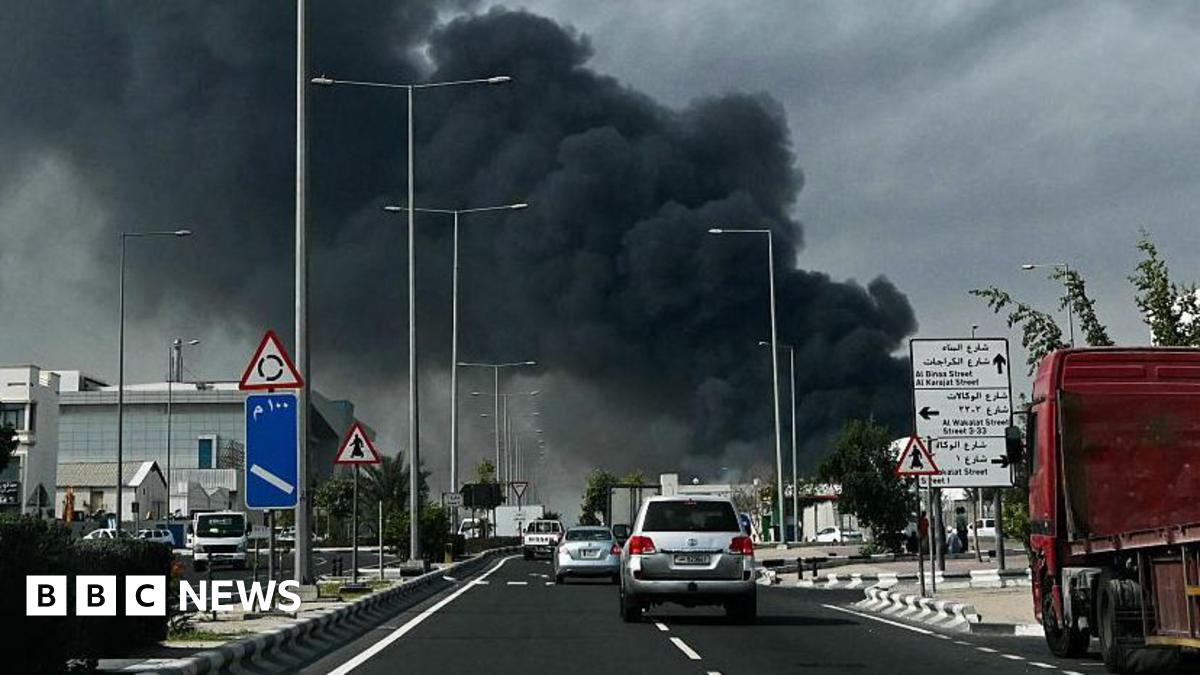
An Iranian ballistic missile struck the main Ras Laffan gas complex on 18 March, knocking out an estimated 17% of global LNG supply and disabling the facility for a period that could last up to five years. The BBC reported that the damage will cost state-owned QatarEnergy a predicted $20bn (£15bn) in lost annual revenues, with repairs taking between three to five years.B
The DW account tied the broader economic shock to the Iran war that broke out on February 28, saying it has forced most Gulf states to cut production and exports of oil and gas. The DW piece also said Iran closed the vital Strait of Hormuz to hydrocarbon shipments, while the BBC described the closure as sharply reducing oil and gas exports and compounding pressure on Gulf economies.B
Credit, growth, and risk
Moody’s said the credit impact on Middle East economies would be decided by three interlinked factors tied to each Gulf economy’s exposure to the Hormuz Strait, the availability of alternative trade and energy routes, and the size of the “financial cushions” available. The Al Arabiya Business report said Kuwait, Bahrain, and Iraq are the most exposed among hydrocarbon exporters, and it warned that oil revenues account for roughly 30% of GDP in Kuwait and Iraq in 2025.
In Qatar, the IMF cut its outlook by about 14.7 percentage points from January estimates, with an expected contraction of up to 8.6% this year, according to Al-Hurra. The BBC added that the World Bank has cut its growth forecast for the Middle East to 1.8% this year as a result of the war, warning of long-term “scarring.”B
Reshaping investment and routes
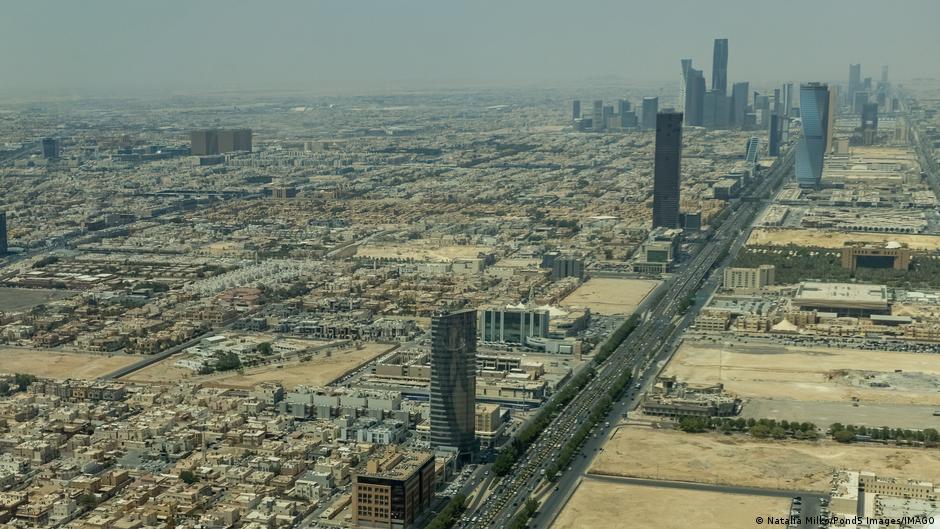
The DW report said Gulf sovereign wealth funds manage investments estimated at about $5 trillion (€4.35 trillion), and it quoted Majid Al-Ansari warning that if the region “decides to focus on its defense” and withdraw investments, there would be “a tangible effect on every home in the world.” It also quoted Al-Ansari saying, “Because of the economic difficulties we will face as a result of the war,” Qatar would be “highly occupied with reconstruction, strengthening our defensive capabilities, and dealing with the current regional crisis.”
The BBC described how the closure of the Strait of Hormuz has pushed Saudi Arabia to rely on its East–West pipeline to transfer oil to the Red Sea port of Yanbu and the UAE to use its Fujairah pipeline to bypass the strait. BThe BBC also warned that even if the war stopped, there would still be “a significant impact before things return to normal,” and it cited a Center on Global Energy Policy researcher saying the attack was “a shock” for both global energy markets and the Gulf states’ sense of vulnerability.B