Iran · 15 March, 2026 · 3 min read
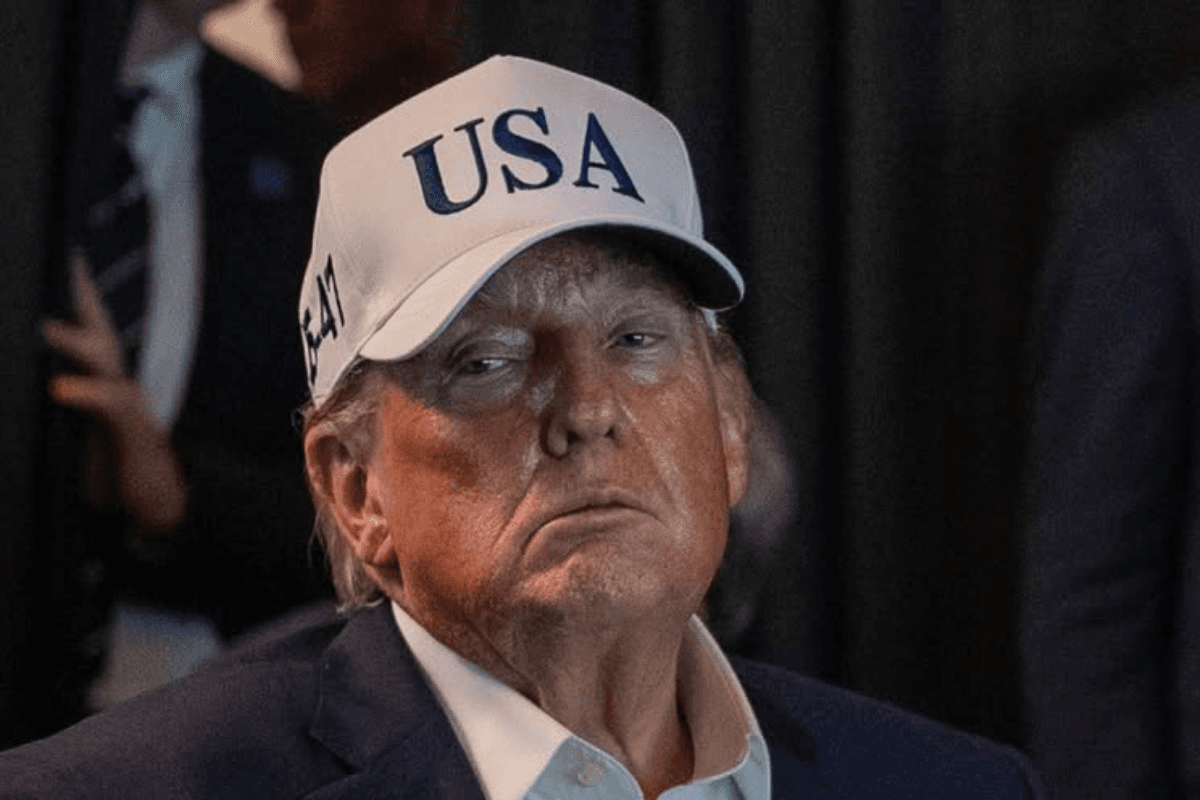
Trump Faces Impeachment Pressure as Iran War Crisis Deepens.
Polls show Trump's approval rating slipping amid Iran war crisis. Impeachment pressure rises as lawmakers and scholars debate Trump's decision to authorize actions.
1 outlets, one story, no spin found.
1outlets compared
Impeachment Pressure Mounts
President Donald Trump faces mounting political pressure as the Iran war crisis deepens, with impeachment concerns growing amid falling approval ratings and escalating military conflict. The widening war with Iran has reshaped the domestic political landscape, prompting renewed questions about the president's political future as American casualties mount and economic concerns intensify.
“A widening war with Iran and falling approval ratings are fuelling renewed questions in Washington about the political future of President Donald Trump.”
Lawmakers and constitutional scholars have revived debate over whether Trump's decision to authorize military action without explicit congressional approval could trigger impeachment proceedings, creating a constitutional crisis that compounds the administration's political challenges. The conflict has emerged as one of the most polarizing foreign policy issues of Trump's second presidency, with significant political fallout threatening to overshadow other policy priorities.
Approval Ratings Plummet
Trump's approval ratings have plummeted to historically low levels as the Iran conflict intensifies, with polling data revealing significant erosion of public support across key demographic groups. An Economist/YouGov poll conducted in early March 2026 found that only 38 per cent of Americans approve of Trump's job performance while 58 per cent disapprove, marking one of the lowest net ratings of his second presidency.
A Quinnipiac University survey reported similarly troubling figures with 37 per cent approval and 57 per cent disapproval, highlighting particularly steep declines among independent voters who have traditionally been crucial to the president's political coalition. Aggregated polling averages compiled by RealClearPolitics place Trump's approval rating at roughly 43 per cent with about 55 per cent disapproval, figures that mirror the historically low average of around 43 per cent approval from his first presidential term.
Public Opinion Divided
The Iran military confrontation has become deeply polarizing, with national polls showing clear majority opposition to the conflict that threatens to further isolate the president politically. A Quinnipiac survey conducted in early March found 53 per cent of voters opposed the war, while only about four in ten supported it, revealing a significant and growing public resistance to the administration's military approach.
“A Quinnipiac survey conducted in early March found 53 per cent of voters opposed the war, while only about four in ten supported it.”
Opposition was particularly strong among Democrats and independent voters, while Republicans overwhelmingly backed the president's decision to launch the strikes, creating a stark partisan divide that could intensify as the conflict continues. A Washington Post poll found 42 per cent of Americans favour halting the strikes, compared with 34 per cent who support continuing them, suggesting widespread uncertainty about the conflict's strategic objectives and lack of clear communication from the administration.
Economic Fears Mount
Economic concerns are compounding political pressure on Trump as Americans anticipate rising petrol prices and potential market disruptions caused by the Middle East conflict. A Reuters/Ipsos survey found that two-thirds of Americans expect petrol prices to rise as a result of the conflict, reflecting fears that instability in the Middle East could disrupt global energy markets and carry significant political consequences.
Many respondents expressed anxiety about the conflict's potential economic impact as the United States approaches the 2026 midterm elections, with voters increasingly viewing the Iran war through both national security and economic lenses. The combination of falling approval ratings, growing public opposition, and economic anxiety creates a perfect storm of political challenges for the president and his administration.
Constitutional Crisis
The Iran conflict has reignited fundamental constitutional debates over presidential war powers, raising serious legal questions about Trump's authority to wage military action without congressional approval. Under the US Constitution, Congress holds the power to declare war, while the president serves as commander-in-chief of the armed forces, creating a deliberate balance of power that critics argue Trump has disrupted.
“Beyond the immediate political fallout, the Iran conflict has revived a longstanding constitutional debate over presidential authority to wage war.”
The War Powers Resolution of 1973 requires presidents to notify Congress within 48 hours of introducing armed forces into hostilities and limits military engagement to 60 days without congressional authorisation, legal frameworks that the current conflict appears to be testing. Constitutional scholars argue that Trump's decision to authorize strikes without explicit congressional approval raises serious legal and constitutional questions that could form the basis for impeachment proceedings if the conflict continues to escalate.